Au7o mascotAu7o
Known IssuesTest Hub demo
  1. Au7o
  2. /
  3. Known Issues
  4. /
  5. Chevrolet
  6. /
  7. Camaro
Chevrolet · Known Issues

1968 Chevrolet Camaro Problems: 7 Known Issues

1968 model year · NHTSA recalls, manufacturer TSBs, and owner forum reports · Updated September 2026

Share:@au7o.io

1968 · All trims · All engines

Choose the year and equipment for your written issues and visual request.

Known IssuesMotorcycle IssuesDTC LookupDrivePricingAboutTermsPrivacyCookiesConsentData rightsCopyrightFeedback
Share:@au7o.io

Vehicle data and repair guidance on this site are compiled with AI assistance and may contain errors. Always verify with your service manual or a qualified mechanic.

Data protection representation

DataRep representative in the United KingdomDataRep representative in the European Union
Au7o · 2026
Built for DIY mechanics. Privacy-first.
Explore free Hub demo
No email neededHow interest is saved

Interest applies to the selected vehicle and configuration; it is not a reservation. Voting stores a first-party identifier for up to 180 days to prevent repeat votes. No account or email is needed. Clearing cookies or using another device may count separately. Privacy

Visual Known Issues · Coming soon

$4.99/month plus taxes at launch · No payment today

Preview the XT6 example

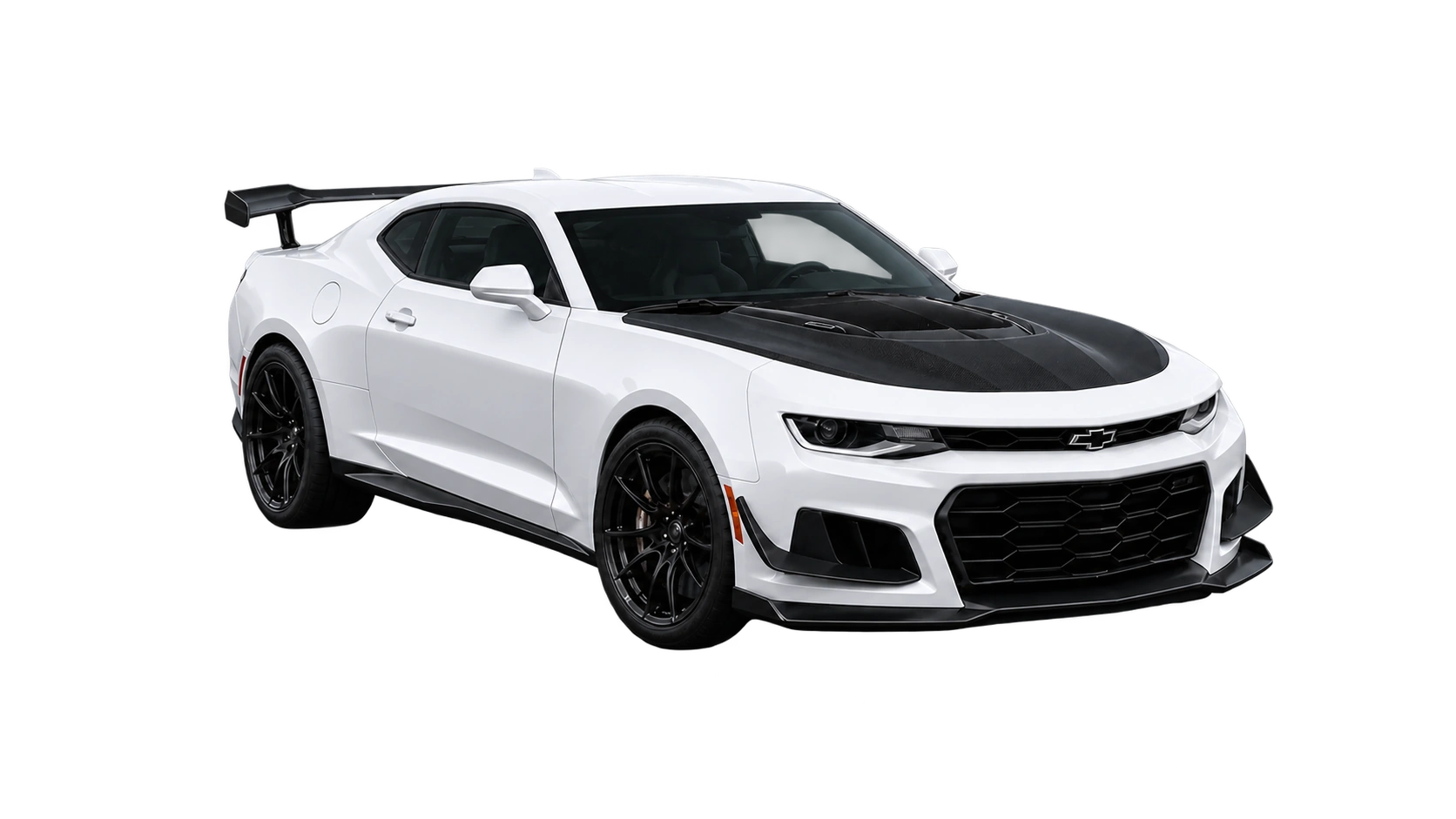
2019 Chevrolet Camaro ZL1 1LE silhouette · model reference only; selected body style is not shown

Issue summary

According to Au7o's research across NHTSA recalls, manufacturer TSBs, and owner forum reports, the 1968 Chevrolet Camaro has 7 documented known issues, with 4 rated critical. The most serious are Rear mono-leaf spring wrap-up causing violent wheel hop ($350-$1,500 repair), Cowl and A-pillar rust from clogged cowl drains and a failed hood-to-cowl seal ($600-$4,000 repair), Marginal 4-wheel drum brakes (and undersized manual front discs) ($600-$3,500 repair) and Structural rust in the trunk floor, rear window channel and quarter panels ($1,500-$12,000 repair). Across all issues with published estimates, repair costs range from $120 to $12,000. DIY maintenance guides at au7o.io.

In This Article

  • Camaro Body/Panels2
  • Camaro Suspension1
  • Camaro Brakes1
  • Camaro Cooling1
  • Camaro Electrical1
  • Camaro Steering1
  • Recalls2
  • FAQ
Get Started
Back to top

In This Article

  • Body/Panels2
  • Suspension1
  • Brakes1
  • Cooling1
Electrical1
  • Steering1
  • Recalls2
  • FAQ
  • All 7 Known Issues

    Filter:
    ALL YEARS2024202320222021202020192018201720162015201420132012201120101999199819971996199519941993199219911990196919681967

    On the 1967-1969 Chevrolet Camaro, the cowl plenum under the vent grille collects leaves and debris, and its drains plug; trapped water then rots the cowl from the inside out and rots the lower corners where the cowl meets the A-pillar and the firewall. The rain-gutter and A-pillar seams are sealed only with seam sealer that cracks with age, letting moisture in behind the A-pillar post. The corner where the hood meets the cowl is a known rot point, made worse when the hood-to-cowl seal is missing so rain and debris hit the outer firewall directly. Because the rot starts inside the double-walled cowl, it is often advanced before it shows, and water leaks into the footwells are an early warning.

    This issue also affects: Chevrolet C10, Chevrolet Chevelle

    Common Symptoms

    • Water dripping onto the kick panels or footwells when it rains or when washing the car
    • Rust bubbling at the base of the windshield / cowl vent grille
    • Rot in the lower A-pillar corners and the top of the firewall
    • Musty carpet and wet floor pans
    • Debris visible in the cowl vents

    How to Fix

    Pull the cowl vent grille and inspect/clean the plenum; if the inner cowl is perforated, weld in a reproduction cowl vent panel and cowl side panels rather than sealing over rust. Re-open and keep the cowl drains clear, fully seam-seal the rebuilt cowl and the A-pillar/rain-gutter seams, and fit a correct hood-to-cowl seal. Restorers' bulletproofing touch: flush the plenum with cavity wax after repair and, as the forums suggest, run a small drain tube in the lower cowl corner so water can never pool there again — turning the car's worst water trap into a self-draining area.

    Typical repair cost:$600 - $4,000

    Research This Issue

    GoogleRedditYouTubeNHTSA
    Community Reported
    High ConfidenceVerifiedReviewed Jun 2026

    On the 1967-1969 Chevrolet Camaro, first-gen Camaros were never dipped in a chemical rust-proofing tank before paint at the factory, so the unibody corrodes badly when neglected or driven in salt. The classic rot spots all stem from trapped water: the rear-window channel has no proper drain so water pools under the glass and rots the lower window lip and package tray; that water then runs straight into the trunk and eats the trunk pan and drop-offs; and the rear quarters rust in front of and behind the tire where the factory lapped two panels together in the wheelhouse, trapping dirt and tire-thrown water between them. Visible holes typically represent only about 10% of the actual rust, so adjoining floor pans, frame rails and the package tray are usually involved too.

    This issue also affects: Chevrolet C10, Chevrolet Chevelle, Ford Bronco

    Common Symptoms

    • Bubbling or holes in the trunk floor and behind the rear seat (package tray)
    • Rust along the bottom edge of the rear window with leaks into the trunk
    • Rot in the quarter panels just ahead of and behind the rear wheels
    • Damp trunk / standing water after rain
    • Crunchy or soft metal at the rear frame rails and wheelhouse seams

    How to Fix

    Don't just patch — cut back to clean steel and install proper reproduction stampings (full trunk floor/drop-offs, package tray, quarter skins or full quarters, and outer/inner wheelhouses), butt-welded rather than lap-welded so you don't re-create the water trap. Re-establish the rear-window drainage and seam-seal the channel. The bulletproofing step restorers add that the factory skipped: after metalwork, spray cavity wax (e.g. into rockers, quarters, frame rails and the package-tray cavity) and epoxy-prime/seam-seal all the lapped wheelhouse seams so the repaired car resists rust far better than it did new. Inspect and reinforce the six subframe mounting points with stamped repair plates while the body is apart.

    Typical repair cost:$1,500 - $12,000

    Research This Issue

    GoogleRedditYouTubeNHTSA
    Community Reported
    High ConfidenceVerifiedReviewed Jun 2026

    On the 1967-1968 Chevrolet Camaro, early first-gen Camaros used a single mono-leaf rear spring that lacks the rate to control V8 torque. Under hard acceleration the spring wraps into an S-shape (spring wrap), the axle rotates, the tire momentarily lifts and unloads, then the spring snaps back — the classic, violent and unsafe wheel hop that can break U-joints, axles and spring eyes. Early 1967 cars also located both rear shocks ahead of the axle on the same arc, which did nothing to damp the hop. Chevrolet's mid-1967 band-aid (a radius/traction bar) and the 1968 switch to staggered shocks plus optional multi-leaf springs reduced it, but mono-leaf V8 cars remain notorious for it.

    This issue also affects: Chevrolet C10, Chevrolet Chevelle, Ford Bronco

    Common Symptoms

    • Rear axle hopping or chattering under hard acceleration
    • Tire bark followed by loss of traction off the line
    • Broken or repeatedly failing U-joints, axles or spring eyes
    • Rear-end skipping sideways over bumps under power
    • Clunk on throttle application

    How to Fix

    Restorers ditch the mono-leaf for a multi-leaf rear spring set (or a quality reproduction such as the original SS/Z/28-style multi-leaf), which resists wrap-up, and add bolt-on traction bars that clamp the front half of the spring to stop it twisting. On serious builds a CalTrac-style split-mono/traction-bar system plants the rear end hard, and setting correct pinion angle finishes the fix. If keeping the early 1967 shock layout, convert to the 1968-up staggered-shock arrangement (one shock ahead, one behind the axle) so the hop is actually damped. The result is a rear suspension that hooks up instead of hopping — better than the car ever launched from the factory.

    Typical repair cost:$350 - $1,500

    Research This Issue

    GoogleRedditYouTubeNHTSA
    Community Reported
    High ConfidenceVerifiedReviewed Jun 2026

    On the 1967-1969 Chevrolet Camaro, the vast majority of first-gen Camaros left the factory with four-wheel drum brakes that fade badly with repeated or hard stops, pull when the shoes glaze, and feel wooden — dangerously under-braked for the V8 power many of these cars make, especially after upgrades. Even the optional front discs are a small single-piston setup. The original single-circuit master (early cars) is also a single point of failure, and 50-year-old drum hardware (wheel cylinders, springs, self-adjusters) is usually seized or leaking on a restoration candidate.

    This issue also affects: Chevrolet C10, Chevrolet Chevelle, Ford Bronco

    Common Symptoms

    • Long, soft or fading pedal after repeated stops
    • Brakes pulling to one side
    • Wooden, high-effort pedal feel
    • Leaking wheel cylinders / brake fluid at the backing plates
    • Wheel lock-up imbalance front to rear

    How to Fix

    The proven bulletproofing upgrade is a front (or full four-wheel) disc-brake conversion: 11-inch front rotors, new spindles or modern caliper brackets, single- or multi-piston calipers, a dual-circuit master cylinder, a correct proportioning valve and — on power cars — a booster. This hugely shortens 60-0 distance and ends fade. Note the common gotcha: most disc kits need 15-inch or larger wheels for caliper clearance, so plan wheels accordingly (a few drum-to-disc kits exist for 14-inch rims). Always convert any surviving single-circuit system to a dual master so a single leak can't lose the whole car's brakes.

    Typical repair cost:$600 - $3,500

    Research This Issue

    GoogleRedditYouTubeNHTSA
    Community Reported
    High ConfidenceVerifiedReviewed Jun 2026

    On the 1967-1969 Chevrolet Camaro, the tight first-gen engine bay leaves little room for radiator and fan, and the original copper/brass core struggles to shed the heat of a 396 big-block (and a hot 350) in stop-and-go traffic, at idle, or with A/C. Decades of scale and a tired clutch fan or a missing/incorrect fan shroud make it worse, so these cars routinely creep toward the top of the gauge in summer traffic — a real concern for a freshly rebuilt engine.

    This issue also affects: Chevrolet C10, Chevrolet Chevelle

    Common Symptoms

    • Temperature climbing in slow traffic, at idle or with A/C on
    • Boil-over / coolant pushing out the overflow after shutdown
    • Cooling fine at speed but overheating when stopped
    • Running hot after an engine rebuild
    • Steam or sweet smell from the front of the car

    How to Fix

    Fit a high-efficiency aluminum radiator sized for the big block. Note the experienced-builder tip: an oversize 2-row aluminum core with large (1.0-1.25 inch) tubes generally out-cools a cheap 3- or 4-row aluminum unit, because too many rows restrict airflow. Add a proper full fan shroud (critical — it forces air through the whole core) and either a correct clutch fan or a high-CFM electric fan/dual-fan setup with a thermostatic switch for idle and traffic. Round it out with a correct thermostat, a 7-lb-plus cap, and back-flushed or new heater/cooling plumbing. Done right the big block stays cool in traffic and on the strip.

    Typical repair cost:$300 - $1,200

    Research This Issue

    GoogleRedditYouTubeNHTSA
    Community Reported
    High ConfidenceVerifiedReviewed Jun 2026

    On the 1967-1969 Chevrolet Camaro, the factory breaker-point distributor needs constant maintenance: points pit and close up, dwell and timing drift, and a 50-plus-year-old distributor usually has worn shaft bushings that let the timing 'walk,' causing hard starting, stumble and inconsistent idle. Compounding it, the factory runs a resistance wire that feeds the coil only ~9-10 volts, so spark energy is weak — fine for a stock low-compression engine but marginal for any cam/compression upgrade a restorer adds.

    This issue also affects: Chevrolet C10, Chevrolet Chevelle, Ford Bronco

    Common Symptoms

    • Hard starting, especially when hot
    • Idle hunting or stumble that returns after re-gapping points
    • Timing that drifts between tune-ups
    • Misfire under load
    • Fouled plugs from weak spark

    How to Fix

    Convert to electronic ignition. The clean-but-stock-looking route is a Pertronix Ignitor module inside the original distributor (keeps the period look, no firewall clearance issues). For more spark, fit a small-body HEI distributor — the small cap clears the firewall on '67-'69 cars where the big-cap GM HEI does not — and run a dedicated full-12-volt feed from the fuse box, bypassing the factory resistance wire, since electronic ignition needs the full voltage. Before converting an old distributor, do the 'wiggle test' on the shaft; if the bushings are worn, rebuild or replace the distributor first. Result: set-and-forget ignition, stronger spark and easy starting.

    Typical repair cost:$120 - $600

    Research This Issue

    GoogleRedditYouTubeNHTSA
    Community Reported
    High ConfidenceVerifiedReviewed Jun 2026

    On the 1967-1969 Chevrolet Camaro, even when new the first-gen Camaro's slow-ratio recirculating-ball steering box felt vague by modern standards; after 50-plus years of wear the box and linkage develop noticeable on-center slop, so the driver saws at the wheel to track straight. Worn box internals, a worn Pitman/idler arm and tired rag joint all stack up — a safety and drivability weak point that a fresh suspension rebuild alone won't cure if the box is worn out.

    This issue also affects: Chevrolet C10, Chevrolet Chevelle

    Common Symptoms

    • Excessive play / dead spot at the wheel on-center
    • Car wanders and needs constant correction on the highway
    • Clunk or notchiness when turning
    • Steering feels slow / many turns lock-to-lock
    • Looseness that persists after replacing tie rods and bushings

    How to Fix

    The community fix is a quick-ratio replacement box — a CPP 500-series or Lares/Detroit Speed-style 2-1/2 turns lock-to-lock gear — described as a night-and-day change from the original slop, with far better on-center feel and quicker response while still looking stock. Replace the rag joint and any worn idler/Pitman arm at the same time so the new box isn't masking play elsewhere. A worn-out original box is generally not worth a rebuild kit; restorers fit a remanufactured or new quick box instead. The car then steers tight and precise rather than wandering.

    Typical repair cost:$300 - $900

    Research This Issue

    GoogleRedditYouTubeNHTSA
    Community Reported
    High ConfidenceVerifiedReviewed Jun 2026
    NHTSA Recalls2 recalls

    ENGINE AND ENGINE COOLING:ENGINE

    THERE IS A POSSIBILITY THAT A SEPARATED MOTOR MOUNT MAY ALLOW THE ENGINE TO LIFT, WHICH MAY AFFECT THE THROTTLE LINKAGE, MOMENTARILY INCREASING THROTTLE, POSSIBLY TO FULL THROTTLE.

    Campaign #71V23500029/12/1971

    VEHICLE SPEED CONTROL

    Campaign #68V08500017/09/1968

    Enter your VIN at NHTSA.gov to check recalls specific to your vehicle.

    🔧
    A mechanic who knows YOUR exact car
    Answers tuned to your year, make, model & trim — not generic advice. Save your garage so it always has the right context.
    Get ahead of Chevrolet Camaro problems — free
    Leave your email and we'll alert you the moment there's a new recall or known issue for your Chevrolet Camaro. Free, no account needed.

    Don't see your problem? Describe your symptoms to get a diagnosis, or get a full repair guide.

    Other Chevrolet Models

    Chevrolet Silverado 150078Chevrolet Corvette59Chevrolet Equinox58Chevrolet Malibu44Chevrolet Traverse37Chevrolet Tahoe37

    Frequently Asked Questions

    What are the most common Chevrolet Camaro problems?

    According to Au7o's research across NHTSA recalls, manufacturer TSBs, and owner forum reports, the 1968 Chevrolet Camaro has 7 documented issues. The most frequently reported are: Rear mono-leaf spring wrap-up causing violent wheel hop, Cowl and A-pillar rust from clogged cowl drains and a failed hood-to-cowl seal, Marginal 4-wheel drum brakes (and undersized manual front discs). Of these, 4 are rated critical and should be addressed promptly.

    Is the Chevrolet Camaro reliable?

    The 1968 Chevrolet Camaro has 7 known issues compiled from NHTSA recalls, manufacturer TSBs, and owner forum reports. 4 issues are rated critical: Rear mono-leaf spring wrap-up causing violent wheel hop and Cowl and A-pillar rust from clogged cowl drains and a failed hood-to-cowl seal and Marginal 4-wheel drum brakes (and undersized manual front discs) and Structural rust in the trunk floor, rear window channel and quarter panels. Prospective buyers should inspect for these issues and factor potential repair costs into their purchase decision. Regular maintenance following the manufacturer's schedule helps prevent many common problems.

    How much does it cost to fix common Chevrolet Camaro problems?

    Repair costs for known Chevrolet Camaro issues range from $120 to $12,000, depending on the specific problem and whether you choose DIY or professional repair. The most critical issue, Rear mono-leaf spring wrap-up causing violent wheel hop, typically costs $350-$1,500 to repair. Au7o provides step-by-step DIY maintenance guides that can help reduce repair costs.

    What is the 1967-1968 Chevrolet Camaro Rear mono-leaf spring wrap-up causing violent wheel hop?

    Early first-gen Camaros used a single mono-leaf rear spring that lacks the rate to control V8 torque. Under hard acceleration the spring wraps into an S-shape (spring wrap), the axle rotates, the tire momentarily lifts and unloads, then the spring snaps back — the classic, violen… Repairs typically run $350-$1,500. Severity: high.

    What is the 1967-1969 Chevrolet Camaro Cowl and A-pillar rust from clogged cowl drains and a failed hood-to-cowl seal?

    The cowl plenum under the vent grille collects leaves and debris, and its drains plug; trapped water then rots the cowl from the inside out and rots the lower corners where the cowl meets the A-pillar and the firewall. The rain-gutter and A-pillar seams are sealed only with seam… Repairs typically run $600-$4,000. Severity: high.

    What is the 1967-1969 Chevrolet Camaro Marginal 4-wheel drum brakes (and undersized manual front discs)?

    The vast majority of first-gen Camaros left the factory with four-wheel drum brakes that fade badly with repeated or hard stops, pull when the shoes glaze, and feel wooden — dangerously under-braked for the V8 power many of these cars make, especially after upgrades. Even the opt… Repairs typically run $600-$3,500. Severity: high.

    What is the 1967-1969 Chevrolet Camaro Structural rust in the trunk floor, rear window channel and quarter panels?

    First-gen Camaros were never dipped in a chemical rust-proofing tank before paint at the factory, so the unibody corrodes badly when neglected or driven in salt. The classic rot spots all stem from trapped water: the rear-window channel has no proper drain so water pools under th… Repairs typically run $1,500-$12,000. Severity: high.

    What is the 1967-1969 Chevrolet Camaro Big-block cooling shortfall — overheating in traffic?

    The tight first-gen engine bay leaves little room for radiator and fan, and the original copper/brass core struggles to shed the heat of a 396 big-block (and a hot 350) in stop-and-go traffic, at idle, or with A/C. Decades of scale and a tired clutch fan or a missing/incorrect fa… Repairs typically run $300-$1,200. Severity: medium.

    What is the 1967-1969 Chevrolet Camaro Unreliable breaker-point ignition and weak factory coil feed?

    The factory breaker-point distributor needs constant maintenance: points pit and close up, dwell and timing drift, and a 50-plus-year-old distributor usually has worn shaft bushings that let the timing 'walk,' causing hard starting, stumble and inconsistent idle. Compounding it,… Repairs typically run $120-$600. Severity: medium.

    What is the 1967-1969 Chevrolet Camaro Vague, sloppy recirculating-ball steering box?

    Even when new the first-gen Camaro's slow-ratio recirculating-ball steering box felt vague by modern standards; after 50-plus years of wear the box and linkage develop noticeable on-center slop, so the driver saws at the wheel to track straight. Worn box internals, a worn Pitman/… Repairs typically run $300-$900. Severity: medium.

    Content on this page was compiled with AI assistance using NHTSA complaints, TSBs, owner reports, and public automotive data. While we strive for accuracy, this information may contain errors. Always verify repair procedures and specifications with your vehicle's service manual or a qualified mechanic.

    Data compiled from NHTSA recalls, manufacturer TSBs, automotive forums, and AI-assisted research. No aggregated owner-report counts available for this vehicle yet.