Au7o mascotAu7o
Known IssuesTest Hub demo
  1. Au7o
  2. /
  3. Known Issues
  4. /
  5. Chevrolet
  6. /
  7. Camaro
Chevrolet · Known Issues

2014 Chevrolet Camaro Problems: 17 Known Issues

2014 model year · NHTSA recalls, manufacturer TSBs, and owner forum reports · Updated September 2026

Share:@au7o.io

2014 · All trims · All engines

Choose the year and equipment for your written issues and visual request.

Known IssuesMotorcycle IssuesDTC LookupDrivePricingAboutTermsPrivacyCookiesConsentData rightsCopyrightFeedback
Share:@au7o.io

Vehicle data and repair guidance on this site are compiled with AI assistance and may contain errors. Always verify with your service manual or a qualified mechanic.

Data protection representation

DataRep representative in the United KingdomDataRep representative in the European Union
Au7o · 2026
Built for DIY mechanics. Privacy-first.
Explore free Hub demo
No email neededHow interest is saved

Interest applies to the selected vehicle and configuration; it is not a reservation. Voting stores a first-party identifier for up to 180 days to prevent repeat votes. No account or email is needed. Clearing cookies or using another device may count separately. Privacy

Visual Known Issues · Coming soon

$4.99/month plus taxes at launch · No payment today

Preview the XT6 example

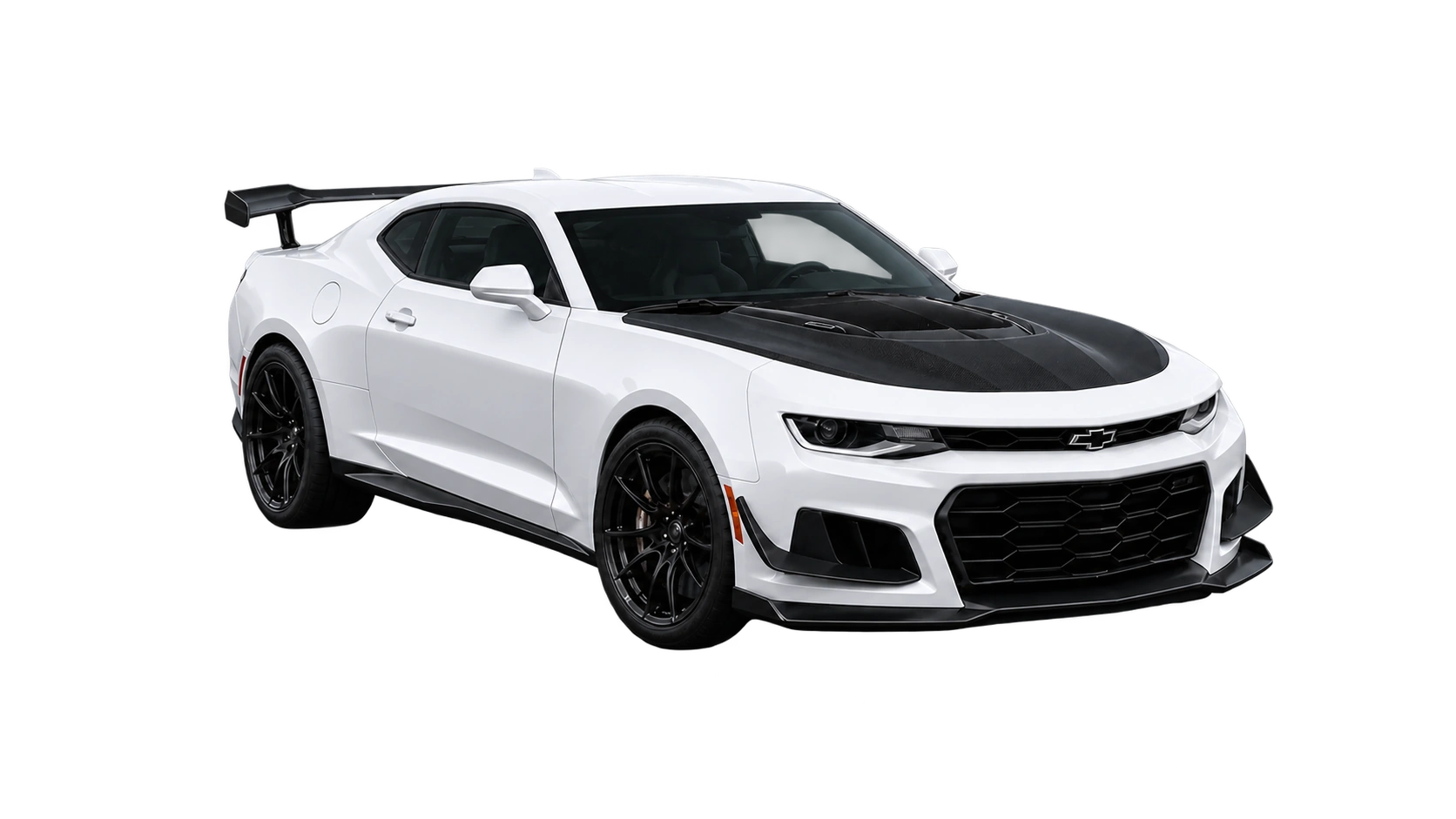
2019 Chevrolet Camaro ZL1 1LE silhouette · model reference only; selected body style is not shown

Issue summary

According to Au7o's research across NHTSA recalls, manufacturer TSBs, and owner forum reports, the 2014 Chevrolet Camaro has 17 documented known issues, with 4 rated critical. The most serious are Ignition Key Rotation to Accessory/Off Causing Engine Stall ($0-$400 repair), Takata Front Passenger Airbag Inflator Rupture Recall ($0-$0 repair), Timing Chain Stretch and Correlation Faults on 3.6L LLT/LFX V6 ($1,500-$3,200 repair) and L99 AFM Lifter Failure and Camshaft Damage on 6.2L Automatic Cars ($1,800-$4,500 repair). Across all issues with published estimates, repair costs range from $100 to $4,500. DIY maintenance guides at au7o.io.

In This Article

  • Camaro Engine5
  • Camaro Safety/Recalls2
  • Camaro Electrical2
  • Camaro HVAC2
  • Camaro Transmission2
  • Camaro Body/Panels1
  • Camaro Interior1
  • Camaro Suspension1
  • Camaro Fuel System1
  • Recalls5
  • FAQ
Get Started
Back to top

In This Article

  • Engine5
  • Safety/Recalls2
  • Electrical2
HVAC
2
  • Transmission2
  • Body/Panels1
  • Interior1
  • Suspension1
  • Fuel System1
  • Recalls5
  • FAQ
  • All 17 Known Issues

    Filter:
    ALL YEARS2024202320222021202020192018201720162015201420132012201120101999199819971996199519941993199219911990196919681967

    When Issues Typically Appear

    Ignition Key Rotation to Accessory/Off Causing Engine Stall
    0K-120K
    Takata Front Passenger Airbag Inflator Rupture Recall
    0K-200K
    Sunroof Water Leaks Causing Wet Headliner, A-Pillar Drips, and Interior Module Corrosion
    10K-120K
    Convertible Tonneau Cover / Top Mechanism Binding and Trunk Divider Interlock Faults
    20K-90K
    L99 AFM Lifter Failure and Camshaft Damage on 6.2L Automatic Cars
    50K-120K
    Timing Chain Stretch and Correlation Faults on 3.6L LLT/LFX V6
    70K-140K
    050K100K150K200K mi

    On the 2010-2015 Chevrolet Camaro, the 3.6L direct-injected V6 used in fifth-generation Camaro is known for timing chain wear/stretch that can trigger cam/crank correlation faults, rough running, and reduced performance. GM issued service information and special coverage on related 3.6L timing chain concerns across multiple applications, and Camaro owners have documented the same issue in forums and complaints. Poor oil maintenance tends to accelerate wear because chain life is sensitive to lubrication quality and oil change intervals.

    This issue also affects: Buick Cascada, Buick Enclave, Buick Encore

    Common Symptoms

    • check engine light
    • rough idle
    • reduced power
    • hard starting
    • rattle on startup
    • poor fuel economy

    How to Fix

    Scan for correlation codes and compare camshaft actual vs. desired timing data before teardown. If chain stretch is confirmed, the correct repair is replacement of the primary/secondary chains, guides, tensioners, and often phaser-related hardware per service procedure; an oil service and verification of proper oil level/condition are also important. Updating maintenance habits after repair is critical to avoid repeat wear.

    Typical repair cost:$1,500 - $3,200

    Research This Issue

    GoogleRedditYouTubeNHTSA
    Community Reported
    High Confidence

    On the 2010-2015 Chevrolet Camaro 6.2L L99 V8, automatic-transmission SS models with the 6.2L L99 V8 use Active Fuel Management lifters that are widely reported to collapse or stick, often leading to a misfire, valvetrain noise, and in many cases camshaft lobe damage. This problem is heavily documented across GM AFM-equipped V8 platforms and appears in Camaro owner complaints and forum repair threads. Repairs can become expensive because the cylinder heads and valvetrain must be opened, and many owners replace the cam and full lifter set once failure begins.

    This issue also affects: Buick LeSabre, Buick Park Avenue, Buick Cascada

    Common Symptoms

    • check engine light with cylinder misfire
    • ticking or tapping from valvetrain
    • rough idle
    • loss of power
    • AFM/V4 mode drivability issues
    • metal debris if cam lobe wears

    How to Fix

    Diagnosis usually starts with a persistent misfire, ticking, and cylinder-specific contribution loss; compression/leakdown and valvetrain inspection help confirm a failed lifter. Proper repair typically involves replacing the failed AFM lifters, trays/guides, and often the camshaft if lobe wear is present; many owners also replace related gaskets, head bolts, and oil pump components while inside. Continued driving can worsen metal contamination and increase repair cost.

    What you need to fix it

    Only diagnosis- and fitment-reviewed repair parts are linked here.

    • Engine Valve Lifter
      Cross-ref213-1738

      Fitment confirmed against the ShowMeTheParts catalog for this vehicle's year and engine.

      Amazon

    As an Amazon Associate, we earn from qualifying purchases; other part links may also earn au7o a commission. Confirm fitment by VIN before buying.

    Typical repair cost:$1,800 - $4,500

    Research This Issue

    GoogleRedditYouTubeNHTSA
    Community Reported
    High Confidence

    On the 2010-2020 Chevrolet Camaro, a 'Reduced Engine Power' warning that drops the car into limp mode (capped RPM and speed) is a common Camaro complaint traced to the electronic throttle body. When the two internal throttle-position sensors disagree, the PCM sets P2135 and limits power as a safety measure. It can also present as rough/shaky idle, stalling at stops, and hesitation on tip-in. Cleaning does not fix a sensor fault; the internal TPS has failed.

    This issue also affects: Buick Regal, Chevrolet Cobalt, Chevrolet Equinox

    Common Symptoms

    • Reduced Engine Power message
    • Limp mode (limited speed/RPM)
    • Rough or shaky idle
    • Stalling at stops
    • Hesitation when accelerating
    • P2135 stored

    How to Fix

    Scan for P2135 (and related P2101/pedal codes). If the throttle-body sensors have failed, replace the throttle body assembly (comes with a pre-calibrated TPS) and perform the idle-relearn procedure to sync it to the PCM. Inspect the connector and wiring for corrosion first, since a bad connection can mimic the fault.

    Typical repair cost:$250 - $700

    Research This Issue

    GoogleRedditYouTubeNHTSA
    Community Reported
    Medium ConfidenceVerifiedReviewed Jul 2026

    On the 2010-2024 Chevrolet Camaro, owners of 6.2L V8 Camaros (naturally aspirated LS3/L99 SS and the direct-injected LT1 in Gen 6) report the engine burning noticeably more oil than expected, in many cases 1 quart per 1,000-1,500 miles and sometimes worse under hard driving. Complaints are logged on CarComplaints for multiple model years and are widely discussed on owner forums. Root causes include oil pulled through the PCV/crankcase-ventilation path into the intake, valve-guide/valve-seal wear, and on higher-mileage or hard-driven cars piston-ring wear. Because the LT1 uses direct injection and has no low-oil-level warning that triggers early, some owners discover the problem only when the engine is critically low, risking bearing and top-end damage. This is distinct from the L99 AFM lifter failure already documented.

    Common Symptoms

    • Low oil level between changes
    • Blue smoke on startup or hard acceleration
    • Burning-oil smell
    • Fouled spark plugs
    • Frequent need to add oil
    • Oil level light or engine damage if run low

    How to Fix

    Verify true consumption with a documented oil-consumption test (dealers accept roughly 1 qt/2,000 mi as 'normal' but will investigate worse). Cheap first steps: install a catch can / air-oil separator to stop oil ingestion and check/replace the PCV components. Persistent high consumption points to valve seals or worn rings and may require top-end work or, in severe cases, a short-block/engine replacement, sometimes covered under powertrain warranty if documented early. Use the correct spec oil (5W-30 for LS3/LT1) and monitor level frequently between changes.

    Typical repair cost:$150 - $4,500

    Research This Issue

    GoogleRedditYouTubeNHTSA
    Community Reported
    Medium ConfidenceVerifiedReviewed Jul 2026

    On the 2010-2019 Chevrolet Camaro, the direct-injected 3.6L V6 (LLT/LFX in Gen 5, LGX in Gen 6) sprays fuel directly into the cylinder rather than over the back of the intake valves, so the detergents in gasoline never wash the valves. Over time, oil vapor drawn in through the PCV system bakes onto the intake valves as hard carbon deposits, restricting airflow. This is a well-known DI trait across GM's 3.6L family and is discussed extensively on Camaro/Colorado/Impala forums. Deposits typically become noticeable after 60,000-100,000 miles and are worse on hard-driven or short-trip cars.

    This issue also affects: Buick LeSabre, Buick Park Avenue, Buick Cascada

    Common Symptoms

    • Rough or unstable idle
    • Misfires under load
    • Reduced power and hesitation
    • Cold-start stumble
    • Check-engine light
    • Reduced fuel economy

    How to Fix

    There is no chemical additive that fully removes hardened intake-valve carbon on a DI engine; the accepted fix is walnut-shell (media) blasting of the intake ports with the intake manifold removed, typically every 60k-100k miles. Installing a catch can / air-oil separator slows future accumulation by keeping oil vapor out of the intake. Symptoms of rough idle, misfire codes, and lost power usually resolve after cleaning.

    Typical repair cost:$300 - $1,000

    Research This Issue

    GoogleRedditYouTubeNHTSA
    Community Reported
    Medium ConfidenceVerifiedReviewed Jul 2026

    On the 2010-2014 Chevrolet Camaro, fifth-generation Camaro models were included in GM's ignition switch/key rotation safety recall because the key could be inadvertently moved out of the Run position by contact with the driver's knee or a heavy key ring. When this happens, the engine can shut off while driving, causing loss of power steering assist, reduced brake assist, and airbag disablement in a crash sequence. Owner complaints and recall documentation show this was a real, cross-model GM issue affecting Camaro within the requested years.

    Common Symptoms

    • engine shuts off while driving
    • key moves from Run to Accessory
    • loss of power steering assist
    • hard brake pedal after stall
    • dash lights illuminate suddenly
    • vehicle restarts after shifting to Park

    How to Fix

    Verify recall completion status by VIN first, since the primary remedy was a revised ignition key/insert and related parts under GM recall campaigns. If symptoms persist after recall work, inspect the ignition lock cylinder, key wear, and key ring weight; owners are commonly advised to use only the ignition key with no heavy accessories. Any intermittent stall with steering/brake assist loss should be treated as a do-not-drive safety issue until repaired.

    Typical repair cost:$0 - $400

    Research This Issue

    GoogleRedditYouTubeNHTSA
    Community Reported
    High Confidence

    On the 2010-2015 Chevrolet Camaro, many 2010-2015 Camaro vehicles were recalled for Takata passenger frontal airbag inflators that can rupture during deployment. A ruptured inflator can send metal fragments into the cabin, creating a severe injury or fatality risk. This is one of the most well-documented safety defects affecting the Camaro in the requested year range and is distinct from the separate driver airbag emblem issue.

    Common Symptoms

    • open airbag recall notice
    • no drivability symptoms before failure
    • risk occurs during airbag deployment
    • possible SRS warning lamp if related airbag fault exists

    How to Fix

    Confirm open recall status by VIN and have the passenger inflator module replaced at a GM dealer at no charge. If parts availability is delayed, owners should follow manufacturer guidance and avoid delaying the repair because the risk increases with inflator age and environmental exposure. After replacement, verify the SRS warning lamp performs a normal bulb check and turns off.

    Find a Chevrolet dealer

    Choose to share your location for this search, or enter an area below. Your search location is sent to Google to find dealers.

    Open Chevrolet dealer map in Google Maps ↗

    Call to confirm they service Chevrolet vehicles and check your VIN, recall eligibility, parts availability, and appointment options.

    Typical repair cost:$0 - $0

    Research This Issue

    GoogleRedditYouTubeNHTSA
    Community Reported
    High Confidence

    On the 2013-2019 Chevrolet Camaro, the MyLink infotainment system on 2013-2018 Camaros can suddenly go to a blank/black screen with total loss of audio, touchscreen, and backup-camera functions. The typical stored code is U0028 (communication bus / serial data fault), pointing at the HMI (Human-Machine Interface) module, the central computer of the MyLink system. Voltage spikes from a dead/replaced battery or a jump-start commonly damage the HMI. Beyond the loss of features, the fault can keep modules awake and cause a parasitic battery drain. GM technical bulletin PIC6073E addresses U0028 on this platform.

    This issue also affects: Buick Regal, Chevrolet Cruze, Chevrolet Equinox

    Common Symptoms

    • Black or blank infotainment screen
    • No audio from the radio
    • Backup camera not displaying
    • Unresponsive touchscreen
    • U0028 stored code
    • Battery drain / dead battery overnight

    How to Fix

    Start with a soft reset (hold Home + fast-forward ~10 seconds until the screen goes dark). If the screen stays blank and U0028 is stored, the fix is usually HMI module replacement; the module is VIN-locked and must be programmed by a dealer or a specialized module shop. Check for chafed/corroded wiring and ensure a healthy battery to avoid repeat failures. A rebuilt/programmed exchange HMI is a lower-cost path.

    Typical repair cost:$300 - $1,500

    Research This Issue

    GoogleRedditYouTubeNHTSA
    Community Reported
    Medium ConfidenceVerifiedReviewed Jul 2026

    On the 2010-2015 Chevrolet Camaro, the fifth-generation Camaro carries two fuel level senders in its tank — the pump and primary sender module on one side, a secondary sender on the other, with both signals returning to the PCM. P2067 reports the secondary circuit reading low; GM's criterion is signal voltage below roughly 0.25 V for at least five seconds, where a healthy sender should sit between about 0.5 and 3.5 V and track fuel level. What makes this vehicle worth documenting separately is a specific and expensive dead end: the code can be set by the instrument cluster rather than by anything in the fuel tank, and there is nothing about the code definition that tells you so. In a documented professional diagnosis on a 2013 Camaro ZL1, the fuel gauge dropped to empty and the miles-to-empty function stopped working. The shop replaced both fuel level senders and the fuel pump and verified the sender circuits back to the PCM connector — all of it good. P2067 remained. The clue was in the company the code was keeping: U1804, U0073, U0100 and C0242 were stored alongside it, and when the cluster was commanded through its gauge sweep self-test with a scan tool, the fuel gauge did not sweep. GM's own diagnostic tree ends there — if the fuel level gauge does not sweep during the cluster self-test, the P16 instrument cluster is the failed part. The cluster on these cars is a node on the bus that reads the sender inputs and reports fuel level onward, so an internal failure in the cluster produces the same low secondary fuel level report to the PCM that a shorted sender would. Drivers see the gauge pinned at empty, a low fuel warning that will not go away, a dead or frozen range-to-empty readout in the DIC, and often other cluster oddities, because whatever is wrong inside the cluster is rarely confined to one function.

    This issue also affects: Buick Enclave, Chevrolet Equinox, Chevrolet Malibu

    Common Symptoms

    • Fuel gauge falls to empty and stays there
    • Miles-to-empty / range readout inoperative
    • Low fuel warning displayed with fuel in the tank
    • Fuel gauge does not move during the cluster's key-on gauge sweep self-test
    • U0073, U0100 or U1804 communication codes stored alongside P2067
    • P2067 still present after replacing both fuel level senders and the fuel pump

    How to Fix

    Do the cheap electrical work first, but do it in an order that lets the cluster reveal itself before you buy a fuel pump module. Pull codes from all modules, not just the powertrain module — the presence of U-codes such as U0073, U0100 or U1804 alongside P2067 is the strongest single hint that this is a communication or cluster problem rather than a fuel tank problem. Then command the instrument cluster gauge sweep self-test with a bidirectional scan tool and watch the fuel gauge specifically. If every other gauge sweeps and the fuel gauge does not move, GM's procedure calls for replacing the instrument cluster, and no amount of work under the car will fix it. Before condemning it, rule out the ordinary causes: measure the resistance of the two sender signal circuits from the tank connector back to the PCM to confirm neither is shorted to ground, inspect the connector on top of the tank for corrosion and spread terminals, and check the underhood fuse block ground, since a poor common ground can pull a sender signal low and simultaneously upset module communication. Unplugging the secondary sender is a fast confirmation test — if the code flips to P2068 (circuit high), the wiring back to the module is intact. When the fault is the sender, replacement means dropping the fuel tank, and the sender is usually supplied as part of a pump and sender assembly; expect roughly $350 to $900 depending on whether you use the GM module or an aftermarket unit. When the fault is the cluster, the new cluster must be configured to the vehicle's VIN and have the odometer value transferred, which is dealer-level work; replacement and setup runs roughly $600 to $1,300. Rebuilt-cluster services that repair the original board and preserve the mileage are the cheaper route on this platform and are worth pricing before ordering a new unit.

    Typical repair cost:$350 - $1,300

    Research This Issue

    GoogleRedditYouTubeNHTSA
    Community Reported
    Medium ConfidenceVerifiedReviewed Sep 2026

    On the 2010-2015 Chevrolet Camaro, the front-mounted A/C condenser and its crimped hose connections are prone to pinhole leaks and stone-strike damage, letting refrigerant escape so the system blows warm. Camaro owners commonly report the condenser leaking at the tubes or at the pressure-hose crimp between condenser and compressor. Because the condenser sits low and forward, road debris accelerates failure, and the leak is often hidden from a quick visual check.

    This issue also affects: Buick Regal, Chevrolet Equinox, Chevrolet Impala

    Common Symptoms

    • A/C blows warm or only mildly cool
    • Gradual loss of cooling over weeks
    • Oily residue near the condenser
    • Compressor short-cycling
    • Low refrigerant on gauges

    How to Fix

    Pressure/UV-dye test to locate the leak. A leaking condenser (or the pressure hose) is replaced, then the system is evacuated and recharged to spec; the receiver/drier is typically replaced at the same time. Verify the leak is not simply at an O-ring or Schrader valve before condemning the condenser.

    Typical repair cost:$400 - $1,100

    Research This Issue

    GoogleRedditYouTubeNHTSA
    Community Reported
    Medium ConfidenceVerifiedReviewed Jul 2026

    On the 2010-2015 Chevrolet Camaro, the plastic gears inside the HVAC blend-door actuator strip over time, so the actuator motor spins without moving the temperature-mix door. Owners hear a repetitive clicking or knocking behind the dash (often on start-up or when changing temperature) and get uneven output such as cold air on one side and warm on the other, or the temperature not matching the setting. This is a common, well-documented Camaro complaint on Camaro5 and general GM HVAC references, mirroring the same actuator failure across the GM lineup.

    This issue also affects: Buick Regal, Chevrolet Equinox, Chevrolet Impala

    Common Symptoms

    • Repetitive clicking or knocking behind the dash
    • Air only hot or only cold
    • Different temperature left vs right vents
    • Temperature not matching the setting
    • Noise worst at startup or on temp change

    How to Fix

    Confirm the failing actuator by the clicking location and by commanding temperature sweeps with a scan tool. A relearn/reset can occasionally recover a sticking actuator, but stripped gears require replacing the affected blend-door actuator (an inexpensive part; labor varies with how deep in the dash the actuator sits). Recalibration may be needed after replacement.

    Typical repair cost:$120 - $500

    Research This Issue

    GoogleRedditYouTubeNHTSA
    Community Reported
    Medium ConfidenceVerifiedReviewed Jul 2026

    On the 2010-2024 Chevrolet Camaro, manual (TR6060) Camaro SS/ZL1 owners report clutch-hydraulic problems: a soft or dropping clutch pedal, difficulty getting into gear, and failure of the concentric slave cylinder / throwout bearing that lives inside the bellhousing. A known weak point is the plastic FRP bushing in the master/reservoir circuit, which degrades under heat and higher clutch-spring pressure, causing loss of pedal and clutch drag. Because the slave is internal, replacing it requires pulling the transmission.

    Common Symptoms

    • Clutch pedal goes soft or sinks to the floor
    • Hard to shift into gear
    • Clutch won't fully disengage (grinding into 1st/reverse)
    • Fluid loss at the clutch reservoir
    • Loss of clutch after heat/track use

    How to Fix

    Bleed and inspect the hydraulic circuit first. Common durability upgrades are a billet aluminum bushing, a stainless braided clutch flex line, and a divorced/remote reservoir to keep the pedal firm. A failed internal concentric slave/throwout bearing requires transmission removal to replace (often done together with the clutch). On track cars, upgrading these parts is preventive.

    Typical repair cost:$300 - $2,500

    Research This Issue

    GoogleRedditYouTubeNHTSA
    Community Reported
    Medium ConfidenceVerifiedReviewed Jul 2026

    On the 2010-2015 Chevrolet Camaro, gen 5 Camaros with the 6L80/6L90 six-speed automatic commonly exhibit a 2-3 upshift 'flare' where engine RPM briefly rises before the gear engages, sometimes followed by a firm bump. GM issued bulletins calling a mild 2-3 slip/flare a 'normal characteristic,' but worsening flare typically indicates a real hydraulic leak, most often at the 3-5-Reverse clutch drum or clutch-regulator valve, and can throw pressure/ratio codes. Left unaddressed, slipping accelerates clutch wear.

    This issue also affects: Buick Enclave, Buick Encore GX, Buick Regal

    Common Symptoms

    • RPM flares on the 2-3 shift
    • Slip or delay between gears
    • Firm bump after the flare
    • Ratio/pressure codes
    • Worsening over time

    How to Fix

    Confirm fluid level/condition and check for pressure codes (e.g., P0776). Mild flare within GM's described range may be lived with; pronounced flare warrants inspecting the 3-5-R drum seals and valve-body regulator valve, a valve-body/clutch repair, or in worst cases a rebuild. Fresh fluid/filter and correct operating temperature help; tuners can also raise line pressure to reduce flare.

    Typical repair cost:$150 - $1,800

    Research This Issue

    GoogleRedditYouTubeNHTSA
    Community Reported
    Medium ConfidenceVerifiedReviewed Jul 2026

    On the 2011-2015 Chevrolet Camaro, convertible Camaros commonly develop power-top operating problems involving the tonneau cover, latch alignment, microswitches, hydraulic components, or the required trunk divider/interlock. Owners report the top stopping mid-cycle, warning messages, tonneau covers that will not latch, and repeated need for manual reset procedures. These issues are well represented in owner forums and service bulletins related to top operation and adjustment.

    Common Symptoms

    • convertible top stops mid-cycle
    • top not secure message
    • tonneau cover will not latch
    • must manually close or reset top
    • trunk divider warning
    • intermittent top operation

    How to Fix

    Begin with basic checks: confirm the trunk divider is correctly installed, battery voltage is healthy, and no cargo is interfering with the top linkage. Then inspect top position sensors, latch alignment, tonneau cover struts, hydraulic pump/fluid level, and body control module fault history. Repairs range from simple switch adjustment or divider replacement to latch, cylinder, or hydraulic pump service followed by top relearn/calibration.

    Typical repair cost:$200 - $1,800

    Research This Issue

    GoogleRedditYouTubeNHTSA
    Community Reported
    Medium Confidence

    On the 2010-2015 Chevrolet Camaro, cars equipped with the factory sunroof are known to develop water leaks from clogged or disconnected drain tubes, poor seal seating, or drain routing issues. Owners report water dripping from the headliner or A-pillars, soaked carpets, mildew odors, and intermittent electrical issues after water intrusion. The problem is repeatedly documented in owner forums and service literature for leak diagnosis.

    Common Symptoms

    • water dripping from headliner
    • wet A-pillars
    • damp carpets
    • musty odor
    • fogging windows
    • intermittent electrical glitches after rain

    How to Fix

    Perform a controlled water test and inspect all four sunroof drains for blockage, kinks, or separation at the cassette and outlet ends. Clear drains with low-pressure air or flexible line, reseat or replace disconnected tubes, and dry the interior thoroughly to prevent corrosion. If water has reached modules or connectors, inspect for green corrosion and repair affected wiring/connectors.

    Typical repair cost:$100 - $1,200

    Research This Issue

    GoogleRedditYouTubeNHTSA
    Community Reported
    Medium Confidence

    On the 2010-2016 Chevrolet Camaro, the sealed front wheel-bearing/hub assemblies wear out and produce a growing humming, rumbling, or grinding noise that changes pitch when turning or with speed. Because the wheel-speed sensor is integral to the hub, a failed bearing can also set ABS/StabiliTrak faults and light the dash. The bearing is not serviceable separately on these cars; the entire sealed hub must be replaced. Heavier wheel/tire setups and spirited driving accelerate wear.

    This issue also affects: Buick Regal, Chevrolet Avalanche, Chevrolet Equinox

    Common Symptoms

    • Humming/rumbling that rises with speed
    • Noise changes when turning left vs right
    • Vibration felt in the steering wheel
    • ABS or StabiliTrak warning light
    • Play/looseness at the wheel

    How to Fix

    Confirm the noisy side (noise worsens when weight shifts to the bad bearing during cornering) and check for play. Replace the complete sealed hub/bearing assembly; replacing in pairs is recommended if one side has failed from age. A relearn is not usually needed, but the ABS codes clear once the integrated speed sensor is restored.

    What you need to fix it

    Only diagnosis- and fitment-reviewed repair parts are linked here.

    • Wheel Bearing and Hub Assembly
      Cross-refBR930674

      Fitment confirmed against the ShowMeTheParts catalog for this vehicle's year and engine.

      eBay

    As an Amazon Associate, we earn from qualifying purchases; other part links may also earn au7o a commission. Confirm fitment by VIN before buying.

    Typical repair cost:$200 - $700

    Research This Issue

    GoogleRedditYouTubeNHTSA
    Community Reported
    Medium ConfidenceVerifiedReviewed Jul 2026

    On the 2010-2020 Chevrolet Camaro, camaro owners report the fuel gauge reading incorrectly, sticking on full or empty, jumping randomly after a fill-up, or a low-fuel light that won't go out. The culprit is usually the in-tank fuel-level sending unit, a float on a variable resistor (0-90 ohm) whose wiper contacts wear and go open/erratic; corroded connectors or a bad sender ground can cause the same symptoms. Beyond annoyance, an unreliable gauge risks running the tank dry and stranding the car (and stressing the fuel pump).

    This issue also affects: Buick Regal, Chevrolet Equinox, Chevrolet Impala

    Common Symptoms

    • Gauge stuck on full or empty
    • Needle jumps randomly after fill-up
    • Low-fuel light stays on
    • Gauge reads wrong or erratic
    • Running out of fuel unexpectedly

    How to Fix

    Test the sender's resistance sweep and check the tank-harness connector/ground before replacing parts. A worn sender is replaced (it's part of the in-tank fuel pump/sender module, so tank access is required); repair any corroded connector or ground. Verify the gauge tracks correctly across a full sweep after the repair.

    Typical repair cost:$250 - $800

    Research This Issue

    GoogleRedditYouTubeNHTSA
    Community Reported
    Medium ConfidenceVerifiedReviewed Jul 2026
    NHTSA Recalls5 recalls

    POWER TRAIN:AUTOMATIC TRANSMISSION

    General Motors LLC (GM) is recalling certain 2019-2020 Cadillac CT6, 2020-2021 CT4, CT5, and 2020-2022 Chevrolet Camaro vehicles equipped with a 10-speed transmission. The transmission may become damaged internally and cause the wheels to lock-up.

    Campaign #25V14800006/03/2025

    SEAT BELTS

    General Motors, LLC (GM) is recalling certain 2020 Chevrolet Bolt EV and 2021 GMC Canyon and Sierra 1500, 2500 and 3500, Yukon, Yukon XL, Cadillac Escalade and Escalade ESV and Chevrolet Blazer, Camaro, Colorado, Equinox, Silverado 1500, 2500 and 3500, Suburban and Tahoe vehicles. Incorrect bolts may have been used at one or more fastening locations to secure the seat belts to the vehicle. If an incorrect bolt was used, the seat belt may not be properly attached to the vehicle.

    Campaign #20V81100023/12/2020

    POWER TRAIN:AXLE ASSEMBLY:AXLE SHAFT

    General Motors, LLC (GM) is recalling certain 2021 Chevrolet Camaro vehicles. The left or right axle shaft may be missing a retaining ring, which could allow the axle shaft to separate while driving.

    Campaign #21V18800018/03/2021

    AIR BAGS:FRONTAL

    General Motors, LLC (GM) is recalling certain 2017-2021 Chevrolet Camaro vehicles. The plastic "Camaro" emblem, located on the steering wheel air bag cover, may separate during deployment of the frontal driver air bag.

    Campaign #21V21100025/03/2021

    FUEL SYSTEM, GASOLINE:DELIVERY:FUEL PUMP

    General Motors LLC (GM) is recalling certain 2020 Cadillac Escalade, Escalade ESV, Chevrolet Camaro, Silverado 1500, Suburban, Tahoe, GMC Sierra 1500, Yukon, and Yukon XL vehicles. The fuel pump may be missing a pressure regulator, allowing for over-pressurization of the fuel system.

    Campaign #19V83700021/11/2019

    Enter your VIN at NHTSA.gov to check recalls specific to your vehicle.

    🔧
    A mechanic who knows YOUR exact car
    Answers tuned to your year, make, model & trim — not generic advice. Save your garage so it always has the right context.
    Get ahead of Chevrolet Camaro problems — free
    Leave your email and we'll alert you the moment there's a new recall or known issue for your Chevrolet Camaro. Free, no account needed.

    Don't see your problem? Describe your symptoms to get a diagnosis, or get a full repair guide.

    Other Chevrolet Models

    Chevrolet Silverado 150078Chevrolet Corvette59Chevrolet Equinox58Chevrolet Malibu44Chevrolet Traverse37Chevrolet Tahoe37

    Frequently Asked Questions

    What are the most common Chevrolet Camaro problems?

    According to Au7o's research across NHTSA recalls, manufacturer TSBs, and owner forum reports, the 2014 Chevrolet Camaro has 17 documented issues. The most frequently reported are: Ignition Key Rotation to Accessory/Off Causing Engine Stall, Takata Front Passenger Airbag Inflator Rupture Recall, Timing Chain Stretch and Correlation Faults on 3.6L LLT/LFX V6. Of these, 4 are rated critical and should be addressed promptly.

    Is the Chevrolet Camaro reliable?

    The 2014 Chevrolet Camaro has 17 known issues compiled from NHTSA recalls, manufacturer TSBs, and owner forum reports. 4 issues are rated critical: Ignition Key Rotation to Accessory/Off Causing Engine Stall and Takata Front Passenger Airbag Inflator Rupture Recall and Timing Chain Stretch and Correlation Faults on 3.6L LLT/LFX V6 and L99 AFM Lifter Failure and Camshaft Damage on 6.2L Automatic Cars. Prospective buyers should inspect for these issues and factor potential repair costs into their purchase decision. Regular maintenance following the manufacturer's schedule helps prevent many common problems.

    How much does it cost to fix common Chevrolet Camaro problems?

    Repair costs for known Chevrolet Camaro issues range from $0 to $4,500, depending on the specific problem and whether you choose DIY or professional repair. The most critical issue, Ignition Key Rotation to Accessory/Off Causing Engine Stall, typically costs $0-$400 to repair. Au7o provides step-by-step DIY maintenance guides that can help reduce repair costs.

    What is the 2010-2014 Chevrolet Camaro Ignition Key Rotation to Accessory/Off Causing Engine Stall?

    Fifth-generation Camaro models were included in GM's ignition switch/key rotation safety recall because the key could be inadvertently moved out of the Run position by contact with the driver's knee or a heavy key ring. When this happens, the engine can shut off while driving, ca… Repairs typically run $0-$400. Severity: high.

    What is the 2010-2015 Chevrolet Camaro Takata Front Passenger Airbag Inflator Rupture Recall?

    Many 2010-2015 Camaro vehicles were recalled for Takata passenger frontal airbag inflators that can rupture during deployment. A ruptured inflator can send metal fragments into the cabin, creating a severe injury or fatality risk. This is one of the most well-documented safety de… Repairs typically run $0-$0. Severity: high.

    What is the 2010-2015 Chevrolet Camaro Timing Chain Stretch and Correlation Faults on 3.6L LLT/LFX V6?

    The 3.6L direct-injected V6 used in fifth-generation Camaro is known for timing chain wear/stretch that can trigger cam/crank correlation faults, rough running, and reduced performance. GM issued service information and special coverage on related 3.6L timing chain concerns acros… Repairs typically run $1,500-$3,200. Severity: high.

    What is the 2010-2015 Chevrolet Camaro L99 AFM Lifter Failure and Camshaft Damage on 6.2L Automatic Cars?

    Automatic-transmission SS models with the 6.2L L99 V8 use Active Fuel Management lifters that are widely reported to collapse or stick, often leading to a misfire, valvetrain noise, and in many cases camshaft lobe damage. This problem is heavily documented across GM AFM-equipped… Repairs typically run $1,800-$4,500. Severity: high.

    What is the 2013-2019 Chevrolet Camaro MyLink / HMI Infotainment Module Failure (U0028 Blank Screen, No Audio/Camera)?

    The MyLink infotainment system on 2013-2018 Camaros can suddenly go to a blank/black screen with total loss of audio, touchscreen, and backup-camera functions. The typical stored code is U0028 (communication bus / serial data fault), pointing at the HMI (Human-Machine Interface)… Repairs typically run $300-$1,500. Severity: medium.

    What is the 2010-2020 Chevrolet Camaro Reduced Engine Power / Limp Mode from Throttle Body (P2135) Failure?

    A 'Reduced Engine Power' warning that drops the car into limp mode (capped RPM and speed) is a common Camaro complaint traced to the electronic throttle body. When the two internal throttle-position sensors disagree, the PCM sets P2135 and limits power as a safety measure. It can… Repairs typically run $250-$700. Severity: medium.

    What is the 2010-2015 Chevrolet Camaro A/C Condenser Refrigerant Leak (Weak or No Cold Air)?

    The front-mounted A/C condenser and its crimped hose connections are prone to pinhole leaks and stone-strike damage, letting refrigerant escape so the system blows warm. Camaro owners commonly report the condenser leaking at the tubes or at the pressure-hose crimp between condens… Repairs typically run $400-$1,100. Severity: medium.

    What is the 2011-2015 Chevrolet Camaro Convertible Tonneau Cover / Top Mechanism Binding and Trunk Divider Interlock Faults?

    Convertible Camaros commonly develop power-top operating problems involving the tonneau cover, latch alignment, microswitches, hydraulic components, or the required trunk divider/interlock. Owners report the top stopping mid-cycle, warning messages, tonneau covers that will not l… Repairs typically run $200-$1,800. Severity: medium.

    What is the 2010-2024 Chevrolet Camaro Excessive Oil Consumption on 6.2L V8 (LS3/L99/LT1)?

    Owners of 6.2L V8 Camaros (naturally aspirated LS3/L99 SS and the direct-injected LT1 in Gen 6) report the engine burning noticeably more oil than expected, in many cases 1 quart per 1,000-1,500 miles and sometimes worse under hard driving. Complaints are logged on CarComplaints… Repairs typically run $150-$4,500. Severity: medium.

    What is the 2010-2024 Chevrolet Camaro Manual Transmission (TR6060) Clutch Slave/Master Cylinder & Hydraulic Failure?

    Manual (TR6060) Camaro SS/ZL1 owners report clutch-hydraulic problems: a soft or dropping clutch pedal, difficulty getting into gear, and failure of the concentric slave cylinder / throwout bearing that lives inside the bellhousing. A known weak point is the plastic FRP bushing i… Repairs typically run $300-$2,500. Severity: medium.

    What is the 2010-2015 Chevrolet Camaro Sunroof Water Leaks Causing Wet Headliner, A-Pillar Drips, and Interior Module Corrosion?

    Cars equipped with the factory sunroof are known to develop water leaks from clogged or disconnected drain tubes, poor seal seating, or drain routing issues. Owners report water dripping from the headliner or A-pillars, soaked carpets, mildew odors, and intermittent electrical is… Repairs typically run $100-$1,200. Severity: medium.

    What is the 2010-2015 Chevrolet Camaro Instrument Cluster Fails the Gauge Sweep and Sets P2067 After the Fuel Senders Are Already Replaced?

    The fifth-generation Camaro carries two fuel level senders in its tank — the pump and primary sender module on one side, a secondary sender on the other, with both signals returning to the PCM. P2067 reports the secondary circuit reading low; GM's criterion is signal voltage belo… Repairs typically run $350-$1,300. Severity: medium.

    What is the 2010-2019 Chevrolet Camaro 3.6L V6 Direct-Injection Intake Valve Carbon Buildup?

    The direct-injected 3.6L V6 (LLT/LFX in Gen 5, LGX in Gen 6) sprays fuel directly into the cylinder rather than over the back of the intake valves, so the detergents in gasoline never wash the valves. Over time, oil vapor drawn in through the PCV system bakes onto the intake valv… Repairs typically run $300-$1,000. Severity: medium.

    What is the 2010-2016 Chevrolet Camaro Front Wheel Bearing / Hub Assembly Failure (Humming, ABS Light)?

    The sealed front wheel-bearing/hub assemblies wear out and produce a growing humming, rumbling, or grinding noise that changes pitch when turning or with speed. Because the wheel-speed sensor is integral to the hub, a failed bearing can also set ABS/StabiliTrak faults and light t… Repairs typically run $200-$700. Severity: low.

    What is the 2010-2020 Chevrolet Camaro Inaccurate Fuel Gauge / Fuel-Level Sending Unit Failure?

    Camaro owners report the fuel gauge reading incorrectly, sticking on full or empty, jumping randomly after a fill-up, or a low-fuel light that won't go out. The culprit is usually the in-tank fuel-level sending unit, a float on a variable resistor (0-90 ohm) whose wiper contacts… Repairs typically run $250-$800. Severity: low.

    What is the 2010-2015 Chevrolet Camaro 6L80 6-Speed Automatic 2-3 Upshift Flare / Slip?

    Gen 5 Camaros with the 6L80/6L90 six-speed automatic commonly exhibit a 2-3 upshift 'flare' where engine RPM briefly rises before the gear engages, sometimes followed by a firm bump. GM issued bulletins calling a mild 2-3 slip/flare a 'normal characteristic,' but worsening flare… Repairs typically run $150-$1,800. Severity: low.

    What is the 2010-2015 Chevrolet Camaro HVAC Blend Door Actuator Failure (Clicking/Knocking, Uneven Temperature)?

    The plastic gears inside the HVAC blend-door actuator strip over time, so the actuator motor spins without moving the temperature-mix door. Owners hear a repetitive clicking or knocking behind the dash (often on start-up or when changing temperature) and get uneven output such as… Repairs typically run $120-$500. Severity: low.

    Content on this page was compiled with AI assistance using NHTSA complaints, TSBs, owner reports, and public automotive data. While we strive for accuracy, this information may contain errors. Always verify repair procedures and specifications with your vehicle's service manual or a qualified mechanic.

    Data compiled from NHTSA recalls, manufacturer TSBs, automotive forums, and AI-assisted research. No aggregated owner-report counts available for this vehicle yet.