
2019 Honda Pilot Problems: 20 Known Issues
2019 model year · 6,282+ owner reports · Updated November 2026
According to Au7o's analysis of 6,282+ owner reports, the 2019 Honda Pilot has 20 documented known issues, with 5 rated critical. The most serious are VCM System Causes Excessive Oil Consumption and Misfires, Expensive Timing Belt and Water Pump Replacement Required, Engine may not restart after Auto Idle Stop — bulletins 23-008 and 23-009, Fuel pump can fail and stall the engine — recall 23V858 and Honda Sensing / Collision Mitigation Braking System (CMBS) Phantom Unintended Braking ($0-$600 repair). The most commonly reported issue is VCM System Causes Excessive Oil Consumption and Misfires with 2,843 owner reports. Across all issues with published estimates, repair costs range from $150 to $700. DIY maintenance guides at au7o.io.
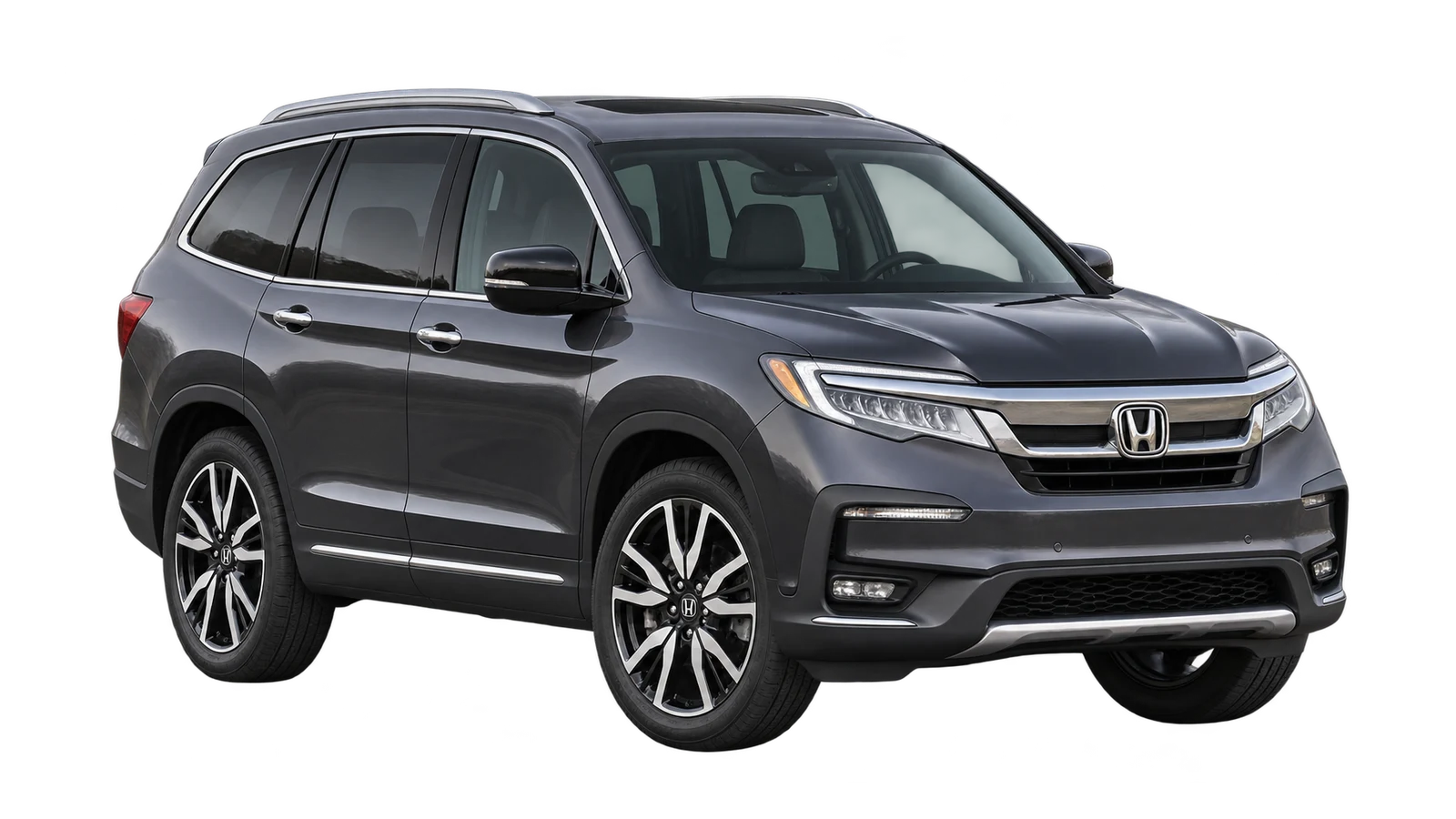
2019 · Touring AWD · 3.5L J35Y6 V6
Choose the year and equipment to match the visual and written issues.
All 20 Known Issues
NHTSA Recalls24 recalls
BACK OVER PREVENTION:DISPLAY FUNCTION
Honda (American Honda Motor Co.) is recalling certain 2018-2023 Odyssey, 2019-2022 Pilot, and 2019-2023 Passport vehicles. Due to a faulty Media Oriented Systems Transport (MOST) communication coaxial cable connector, the rearview camera image may not appear on the display. As such, these vehicles fail to comply with the requirements of Federal Motor Vehicle Safety Standard number 111, "Rear Visibility."
SERVICE BRAKES, HYDRAULIC:FOUNDATION COMPONENTS:MASTER CYLINDER
Honda (American Honda Motor Co.) is recalling certain 2020-2021 Civic, 2020-2023 Ridgeline, 2021-2023 Passport, 2021-2022 Pilot, and 2020 Acura MDX vehicles. The tie rod fastener that connects the brake booster and the brake master cylinder may have been improperly assembled during manufacturing, which can cause the brake master cylinder to separate from the booster assembly.
AIR BAGS:SENSOR:OCCUPANT CLASSIFICATION:FRONT PASSENGER
Honda (American Honda Motor Co.) is recalling certain 2020-2022 Pilot, Accord, Civic sedan, HR-V, Odyssey, 2020 Civic coupe, Fit, 2021-2022 Civic hatchback, 2021 Civic Type R, Insight, 2020-2021 CR-V, CR-V Hybrid, Passport, Ridgeline, Accord Hybrid, 2020 Acura MDX, 2022 Acura MDX, 2020-2022 Acura RDX, and 2020-2021 Acura TLX vehicles. The front passenger seat weight sensor may crack and short circuit, failing to suppress the air bag as intended.
AIR BAGS:SENSOR:OCCUPANT CLASSIFICATION:FRONT PASSENGER
Honda (American Honda Motor Co.) is recalling certain 2018-2021, 2023 Acura TLX, 2019-2024 RDX, 2017-2020, 2022-2026 MDX, 2017-2021, 2023, 2025 Honda Ridgeline, 2017-2022 Pilot, 2019-2021 Passport, 2018-2026 Odyssey, 2019-2022 Insight, 2019-2021 HR-V, 2018-2020 Fit, 2020-2022 CR-V Hybrid, 2017-2022 CR-V, 2017-2018, 2021 Civic Type R, 2017-2021 Civic hatchback, 2016-2020 Civic coupe, 2016-2022 Civic, 2017-2022 Accord Hybrid, and 2016-2022 Accord vehicles. The front passenger seat weight sensor may crack and short circuit, which can cause the air bags to deploy unintentionally during a crash.
STRUCTURE:FRAME AND MEMBERS
American Honda Motor Company (Honda) is recalling certain 2016-2022 Honda Pilot, 2017-2023 Ridgeline, 2019-2023 Passport, and 2014-2020 Acura MDX vehicles that were sold in Connecticut, Delaware, District of Columbia, Illinois, Indiana, Iowa, Kentucky, Maine, Maryland, Massachusetts, Michigan, Minnesota, Missouri, New Hampshire, New Jersey, New York, Ohio, Pennsylvania, Rhode Island, Vermont, Virginia, West Virginia, or Wisconsin. The rear subframe may corrode at the suspension mounting points, which can result in rear suspension component failure.
+ 19 more recalls. Check all on NHTSA.gov
Enter your VIN at NHTSA.gov to check recalls specific to your vehicle.
Join 700+ subscribers following Au7o for vehicle insights and updates.
Don't see your problem? Describe your symptoms to get a diagnosis, or get a full repair guide.
Other Honda Models
Frequently Asked Questions
What are the most common Honda Pilot problems?
According to Au7o's analysis of 6,282+ owner reports, the 2019 Honda Pilot has 20 documented issues. The most frequently reported are: VCM System Causes Excessive Oil Consumption and Misfires, Expensive Timing Belt and Water Pump Replacement Required, Engine may not restart after Auto Idle Stop — bulletins 23-008 and 23-009. Of these, 5 are rated critical and should be addressed promptly.
Is the Honda Pilot reliable?
The 2019 Honda Pilot has 20 known issues documented across 6,282+ owner reports. 5 issues are rated critical: VCM System Causes Excessive Oil Consumption and Misfires and Expensive Timing Belt and Water Pump Replacement Required and Engine may not restart after Auto Idle Stop — bulletins 23-008 and 23-009 and Fuel pump can fail and stall the engine — recall 23V858 and Honda Sensing / Collision Mitigation Braking System (CMBS) Phantom Unintended Braking. Prospective buyers should inspect for these issues and factor potential repair costs into their purchase decision. Regular maintenance following the manufacturer's schedule helps prevent many common problems.
How much does it cost to fix common Honda Pilot problems?
Repair costs for known Honda Pilot issues range from $0 to $700, depending on the specific problem and whether you choose DIY or professional repair. Au7o provides step-by-step DIY maintenance guides that can help reduce repair costs.
What is the 2016-2022 Honda Pilot VCM System Causes Excessive Oil Consumption and Misfires?
Variable Cylinder Management (VCM) causes excessive oil consumption (1 quart every 1,000-1,500 miles), engine misfires, and fouled spark plugs. The reciprocating effect creates vacuum that pulls oil past piston rings. Leads to premature failure of spark plugs, catalytic converter… Severity: high.
What is the 2016-2022 Honda Pilot Expensive Timing Belt and Water Pump Replacement Required?
The 3.5L V6 uses a timing belt (not a chain) that must be replaced every 105,000 miles or 7 years. Timing belt failure causes catastrophic engine damage (bent valves, damaged pistons) costing $3,000-$6,000. Water pump is driven by timing belt and should be replaced simultaneously… Severity: high.
What is the 2016-2022 Honda Pilot Engine may not restart after Auto Idle Stop — bulletins 23-008 and 23-009?
After the vehicle stops and idle stop engages, the engine may not restart automatically, due to excessive cylinder pressure and/or low cranking torque. Typically the driver can restart immediately by selecting Park and pressing ENGINE START/STOP. NHTSA opened an engineering analy… Severity: high.
What is the 2016-2021 Honda Pilot Fuel pump can fail and stall the engine — recall 23V858?
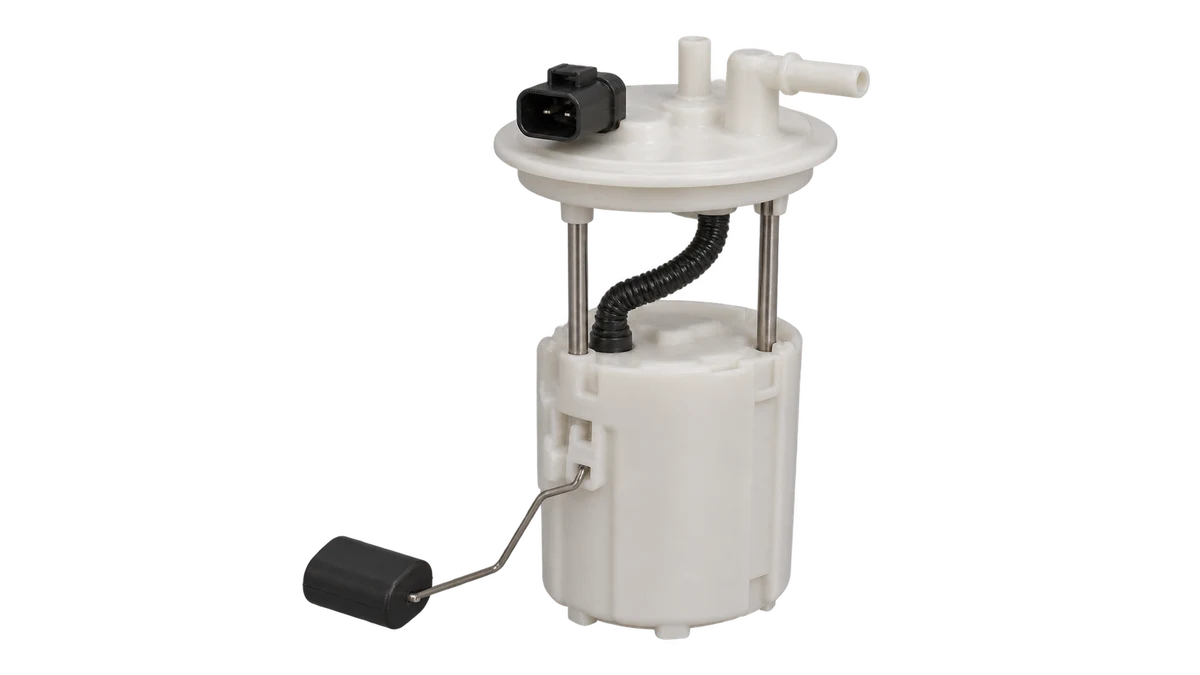
The fuel pump impeller was improperly moulded, resulting in low-density impellers that can deform over time and interfere with the fuel pump body, making the pump inoperative. The engine may not start or can stall while driving; warnings may include the check engine light, interm… Severity: high.
What is the 2016-2022 Honda Pilot Honda Sensing / Collision Mitigation Braking System (CMBS) Phantom Unintended Braking?
Pilots equipped with Honda Sensing exhibit 'phantom braking,' where the Collision Mitigation Braking System applies sudden, hard, unexpected braking when no obstacle is present. Owners report it triggering on overpasses, near oncoming traffic, over bridge shadows, or on open high… Repairs typically run $0-$600. Severity: high.
What is the 2016-2022 Honda Pilot Infotainment Touchscreen Goes Black or Becomes Unresponsive?
Center console touchscreen goes completely black or becomes unresponsive. Audio/navigation system may enter infinite loop during shutdown that drains battery. Loose fuse connections in 2016 models and software glitches across all years are common. A class action lawsuit covering… Severity: medium.
What is the 2016-2023 Honda Pilot Parasitic Battery Drain Causing Dead Battery?
Honda Pilots experience excessive parasitic battery drain (over 80mA) causing dead batteries after 24-48 hours. Common causes include radio/audio staying active when off, Bluetooth module constantly searching, and AC compressor clutch relay sticking on. Normal draw should be 12-3… Severity: medium.
What is the 2016-2022 Honda Pilot Premature Engine Mount Failure Causing Vibration?
Honda Pilots experience premature wear and failure of Active Control Engine Mounts (ACM), especially front and rear mounts. 2016+ Pilot uses 28-volt ACM system with sensors and actuators that cancel vibration. Rubber and metal components degrade due to heat, oil, and road conditi… Severity: medium.
What is the 2016-2022 Honda Pilot AC Clutch Relay Failure Causing No Cold Air or Battery Drain?
The Omron A/C clutch relay (Honda part 39794-SDA-A03) is defective and gets hot, causing failure. It is a Honda-specific part with reduced coil current and is known to be problematic. Honda addresses the failure in Service Bulletin 21-014. When the relay fails, either battery die… Severity: medium.
What is the 2016-2020 Honda Pilot 9-speed automatic harsh or jerky upshifts — bulletin 20-029?
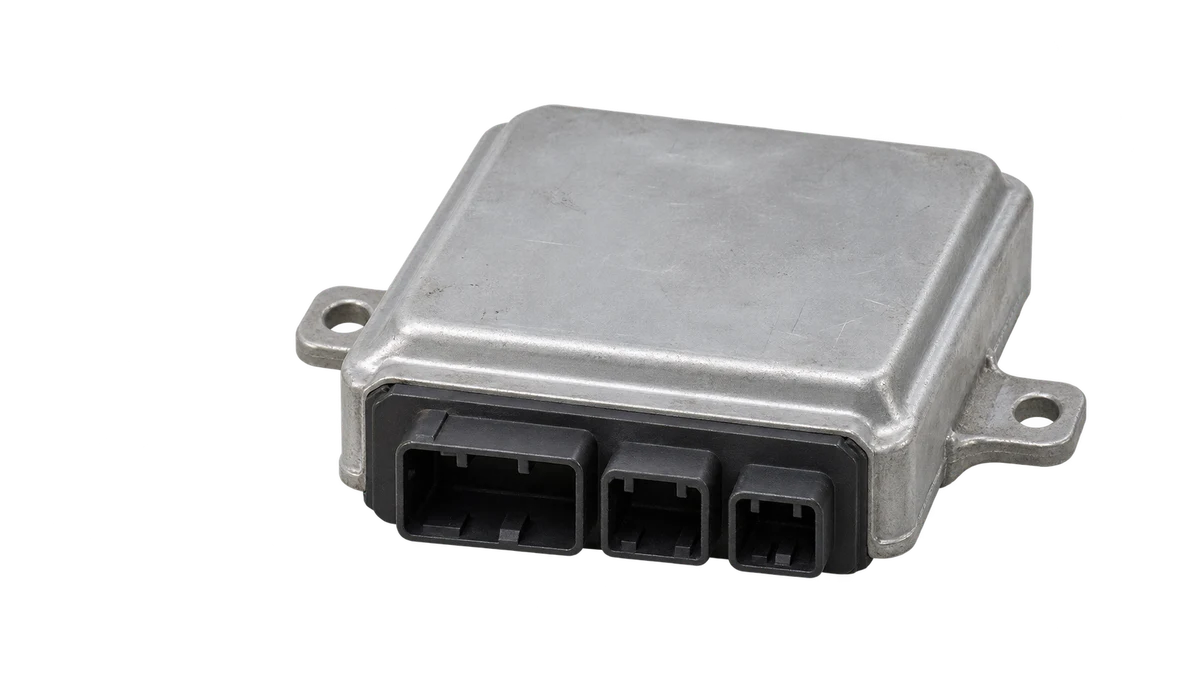
The 9-speed automatic has intermittent harsh or jerky upshifts with steady acceleration. Honda attributes it to abnormal TCM adaptation values in the TCM software. 2016-2019 Pilot Touring and Elite (all) and certain 2020 Pilot Touring and Elite by VIN (the 9-speed automatic trims… Severity: medium.
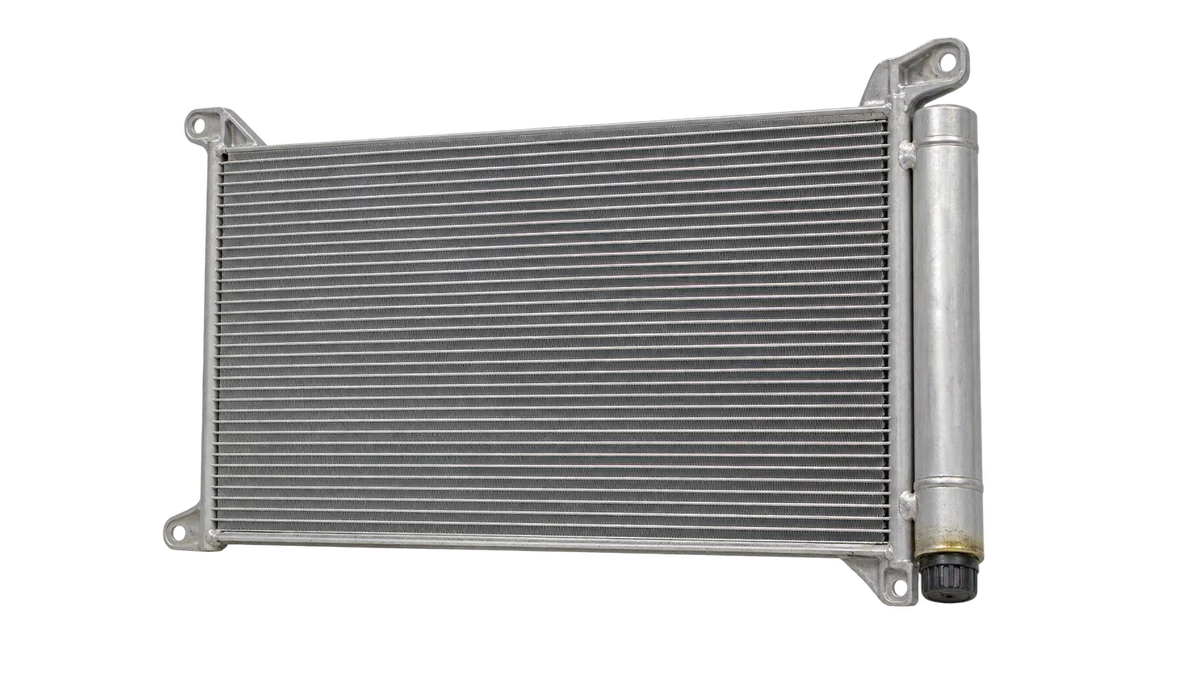
What is the 2016-2019 Honda Pilot A/C stops cooling from a leak at the condenser receiver/dryer cap — bulletin 18-080?
The A/C does not blow cold air, and the lower corner of the condenser around the receiver/dryer cap is stained. Honda says there is poor O-ring compression against the receiver/dryer barrel wall. 2016–2018 Honda Pilot, and certain 2019 Pilots within bulletin 18-080's listed 2WD/A… Severity: medium.
What is the 2016-2019 Honda Pilot Misfire and catalyst codes from clogged fuel injectors — bulletins 20-100 and 21-010?
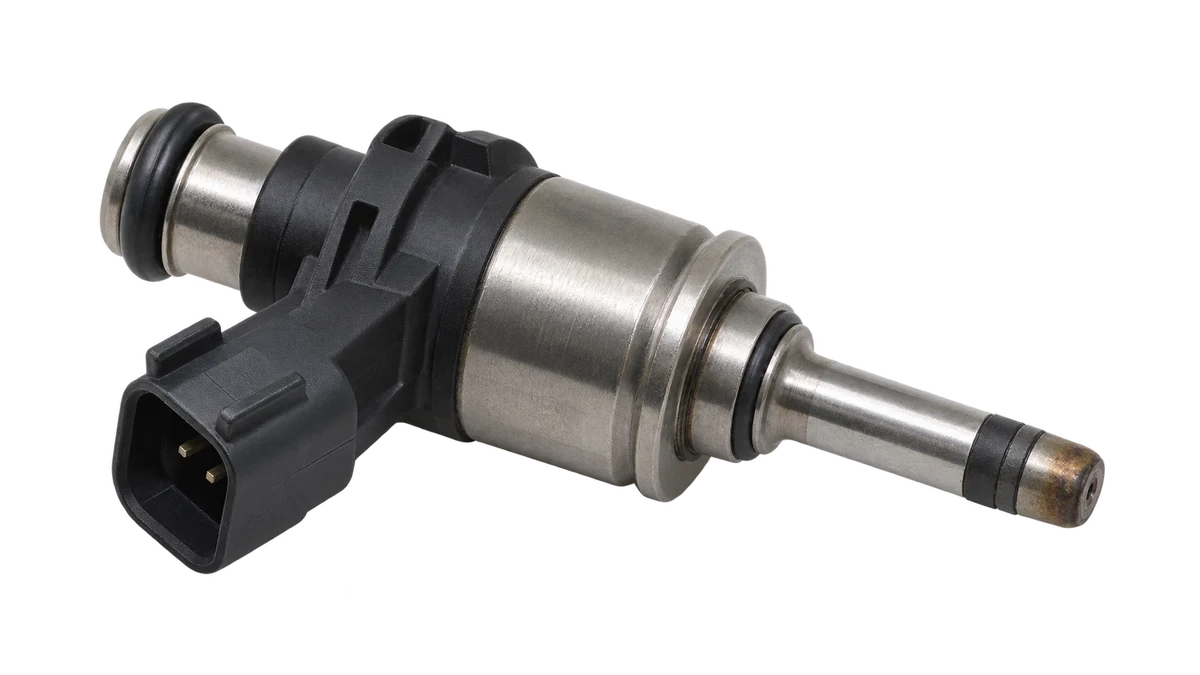
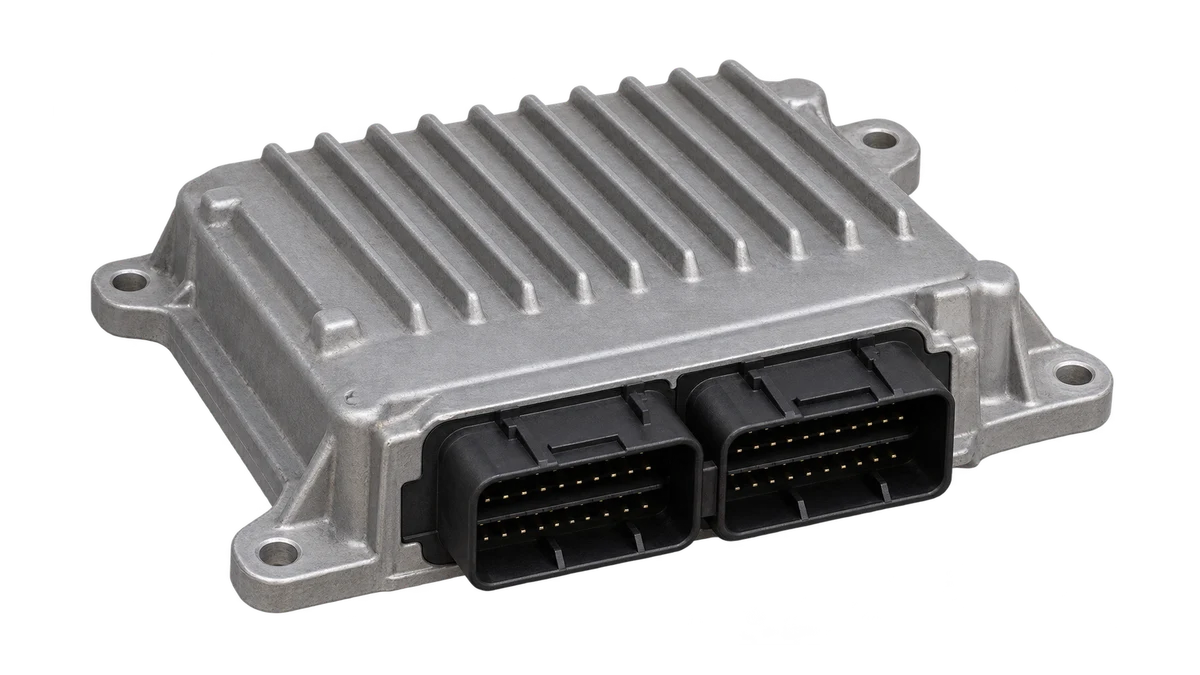
The PCM software may misinterpret sensor inputs as a deteriorated catalytic converter, and debris from the high-pressure pump or the injector machining process can cause internal wear or clogging inside one or more fuel injectors. P0420/P0430, P0300-P0306 and P219A/P219B may be s… Severity: medium.
What is the 2009-2020 Honda Pilot Valve Cover Gasket and Spark Plug Tube Seal Oil Leak Causing Misfires?
On the J35 V6, the rubber valve cover gaskets and the integrated spark plug tube seals harden and shrink with age and heat, allowing oil to weep onto the hot exhaust manifolds (burning-oil smell) and, more seriously, to pool down inside the spark plug wells. Oil saturates the ign… Repairs typically run $250-$700. Severity: medium.
What is the 2009-2015, 2019-2022 Honda Pilot Rearview / Backup Camera Failure — Black, Flickering, or Distorted Screen?
The backup camera fails to display a live image, showing a black, flickering, or lined screen when reverse is selected. On 2009-2015 Pilots the common cause is water/condensation intrusion into the tailgate-mounted camera housing that corrodes the unit; on 2019-2022 Pilots (and 2… Repairs typically run $200-$700. Severity: medium.
What is the 2016, 2019 Honda Pilot Power tailgate won't fully open or close (owner reports)?
Owners report a power tailgate stopping short, reversing or closing unexpectedly. Some report that control-unit or motor replacement did not fix the operation. The inspected owner reports describe 2016 and 2019 Pilots equipped with a power tailgate. They do not establish the same… Severity: medium.
What is the 2009-2020 Honda Pilot Front Blend Door (Air Mix) Actuator Failure Causing Clicking Behind Dash and No Temperature Control?
The plastic air-mix (blend door) actuator behind the dash, near the left side of the glove box, strips its internal gears over time. When it fails the vehicle loses the ability to modulate temperature (air is stuck all-hot or all-cold and cannot be blended), and a repetitive clic… Repairs typically run $150-$450. Severity: medium.
What is the 2013-2022 Honda Pilot White Paint Peeling and Bubbling on Roof and Tailgate?
Honda Pilot models with white paint (Taffeta White, White Diamond Pearl, White Orchid Pearl) suffer from paint defects causing peeling, bubbling, and flaking primarily on roof and tailgate. Defect stems from problems in Honda's "three-stage" white paint application manufacturing… Severity: low.
What is the 2016-2017, 2019 Honda Pilot AWD rear differential leaks from a loose pressure sensor or check port (Honda ServiceNews)?
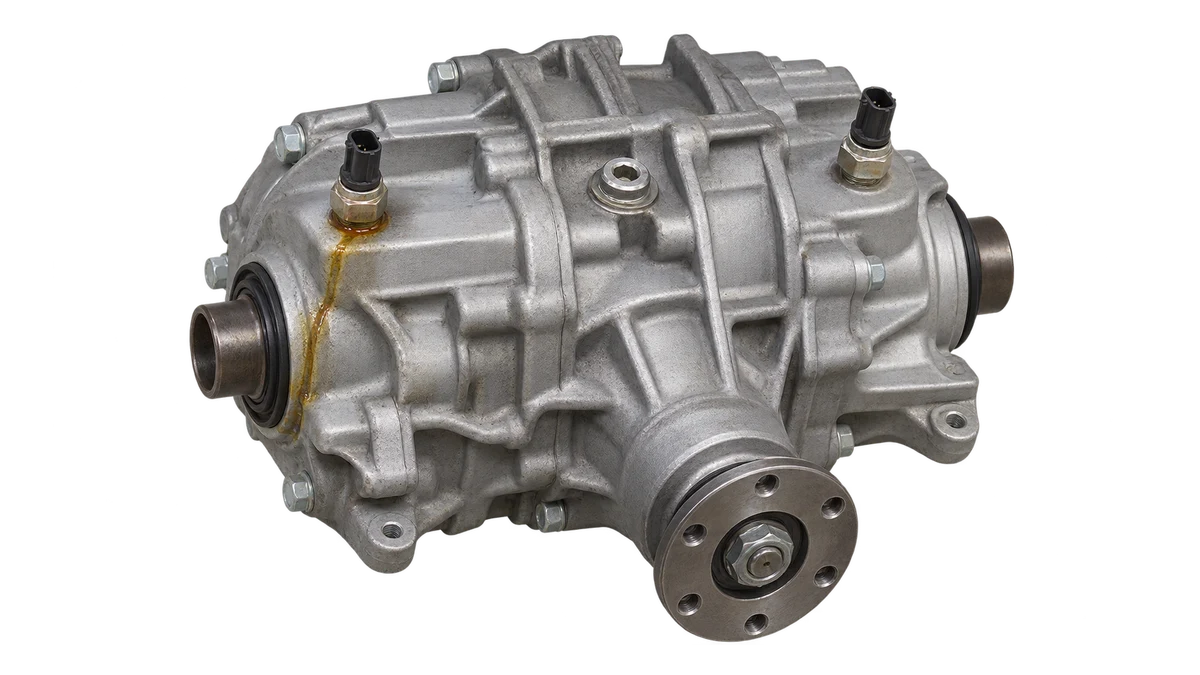
Honda notes that on 2016–2017 Pilot AWD, a loose or damaged fluid-pressure sensor can drip onto an axle seal, or a loose pressure check port can drip onto the pinion seal. Separately, one 2019 owner reported a rear differential leak at 800 miles and pressure-switch replacement; t… Severity: low.
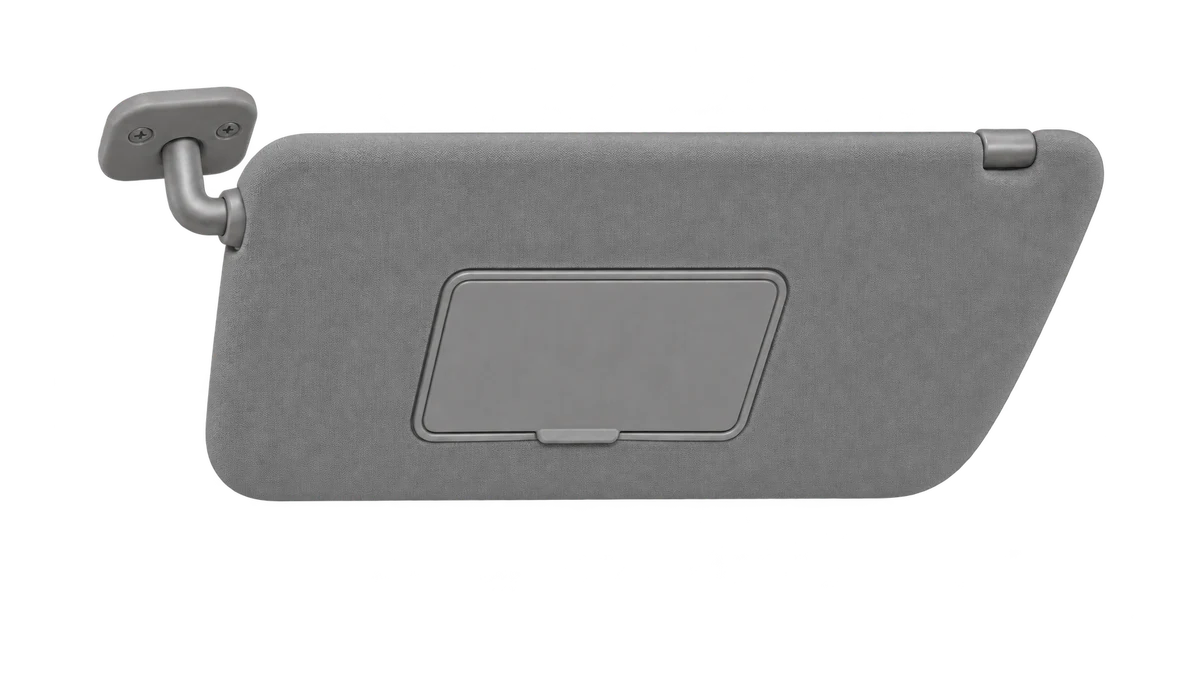
What is the 2009, 2013, 2016, 2018-2019 Honda Pilot Sun visor droops or won't stay up (owner reports)?
Owners report a visor that will not remain raised and can drop into their view; other owners describe hinges that are difficult to move. Individual reports describe a failed spring or cracked retaining piece, not one confirmed cause in every vehicle. Inspected owner reports descr… Severity: low.
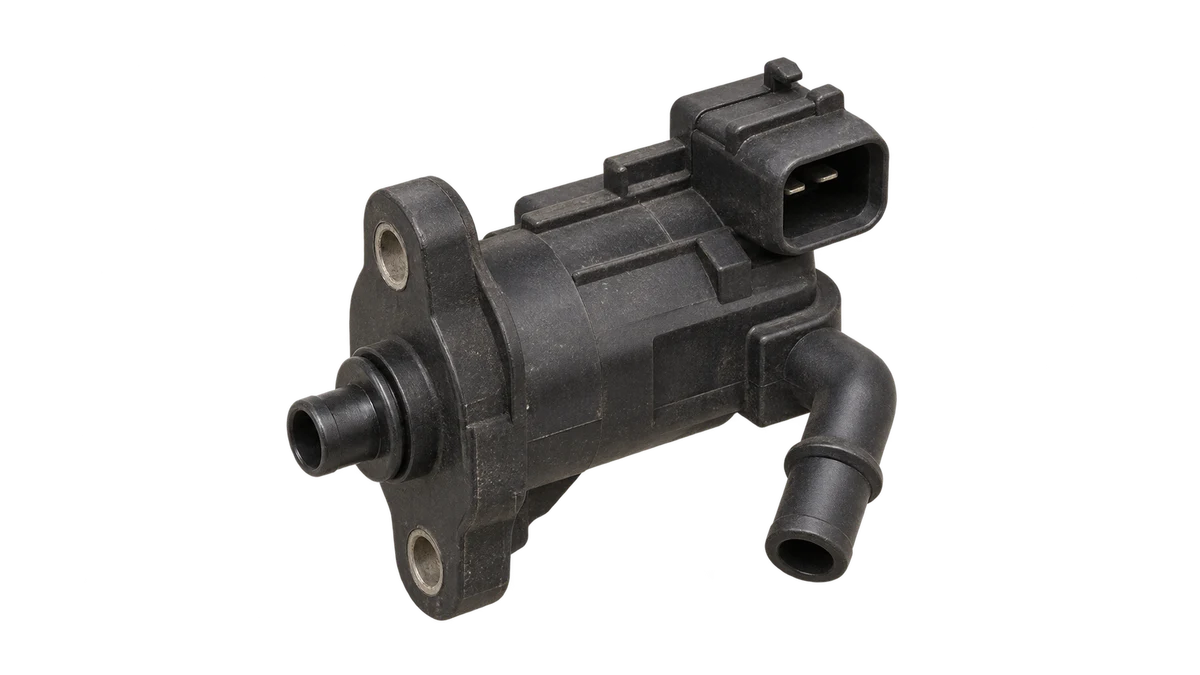
What is the 2019-2022 Honda Pilot Check engine light with P0441 from a sticking purge valve — bulletin 23-091?
Due to variations in the purge control solenoid valve spring, the valve wears unevenly and intermittently sticks, which may set DTC P0441 (EVAP purge flow malfunction) and turn on the check engine light. 2019–2022 Honda Pilot, all trims and VINs listed in Honda bulletin 23-091. T… Severity: low.
Content on this page was compiled with AI assistance using NHTSA complaints, TSBs, owner reports, and public automotive data. While we strive for accuracy, this information may contain errors. Always verify repair procedures and specifications with your vehicle's service manual or a qualified mechanic.